What Is Matcha? Benefits, Caffeine, How to Make It & Easy Recipes
Daily Leaflet
25 minutes readWalk into almost any coffee shop in New York, London or Toronto today and you will find a bright green drink on the menu. Matcha lattes, matcha iced teas, matcha cookies and even matcha ice cream are everywhere, and searches for matcha have grown several times over in just a few years. But if you have ever stood at the counter and wondered what is matcha, exactly, and why it costs more than a regular cup of green tea, you are not alone.
This guide answers that question in full. You will learn what matcha is made of, where it comes from, how it is grown and ground, how much caffeine it really has compared to coffee, what the research says (and does not say) about its health benefits, and how to choose a good one. Then we will walk you through how to make a traditional bowl of matcha and a creamy matcha latte at home, plus a few easy recipes and the most common mistakes to avoid.
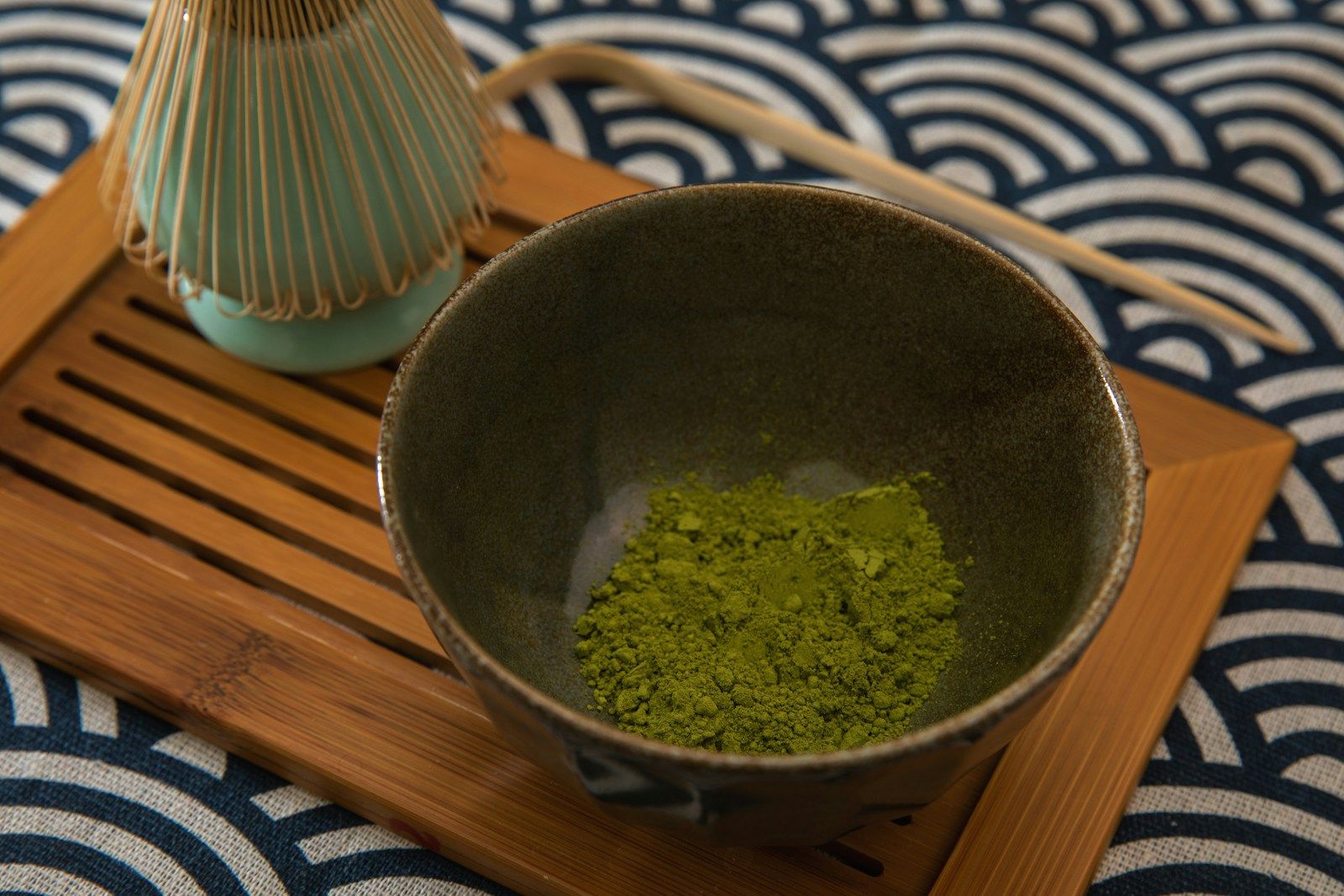
- What it is: a finely ground powder made from shade-grown Japanese green tea leaves.
- How it differs from green tea: you whisk the whole powdered leaf into water and drink it, instead of steeping leaves and throwing them away.
- Taste: fresh, grassy and slightly sweet, with a rich savory (umami) depth. Good matcha should not taste harsh or very bitter.
- Caffeine: roughly 40 to 90 mg in a typical serving of 2 grams, usually less than a standard cup of coffee.
- How to make it: sift 1 to 2 grams (about ½ to 1 teaspoon), add about 2 to 3 oz of water at 160 to 175°F (70 to 80°C), and whisk in a quick zigzag until frothy.
What Is Matcha?
Matcha is a type of Japanese green tea made by grinding specially grown and processed tea leaves into a very fine, bright green powder. The word itself comes from Japanese: ma means "rubbed" or "ground" and cha means "tea". So the simplest answer to "what is matcha" is "ground tea".
All true tea, whether green, black, oolong or white, comes from the same plant, Camellia sinensis. What makes matcha special is not the plant but the way it is grown and prepared. The tea bushes are shaded before harvest, only the tender leaves are used, the stems and veins are removed, and the leaf is stone-ground into a powder that is finer than flour.
Because the powder is whisked straight into water, you consume the entire leaf, and that is the key to what is matcha and what is not. With ordinary green tea, you steep the leaves and throw them away, so only part of what is in the leaf ends up in your cup. That is the main reason matcha tastes richer, looks more vivid and contains more caffeine and plant compounds per serving than a cup of regular green tea.
Matcha vs regular green tea
| Matcha | Regular green tea (e.g. sencha) | |
|---|---|---|
| Form | Fine powder | Loose leaves or tea bags |
| Growing | Shaded for several weeks before harvest | Usually grown in full sun |
| How you drink it | Whisked into water; you drink the whole leaf | Steeped; the leaves are removed |
| Color | Vivid jade green, opaque | Pale yellow-green, clear |
| Flavor | Rich, creamy, umami, slightly sweet | Lighter, more grassy or astringent |
| Caffeine per serving | Higher (roughly 40–90 mg) | Lower (often around 30 mg per 8 oz cup) |
| Price | Higher | Lower |
Is matcha the same as green tea powder?
Not always, and this is where a lot of confusion about what is matcha comes from. Some cheap "green tea powders" are simply ordinary sun-grown green tea, or even tea dust, ground in a machine. They can be dull olive or brownish in color and taste bitter. True matcha is made from shade-grown leaves called tencha and ground very finely. When a product is labeled "green tea powder" rather than "matcha", or when it has no information about origin, it is often a lower-quality product.
Where Matcha Comes From
Although matcha is now strongly linked with Japan, the idea of powdered tea started in China. During the Song dynasty (960–1279), Chinese tea drinkers ground steamed, dried tea into powder and whisked it with hot water in bowls. Zen Buddhist monks valued this tea because it helped them stay alert during long hours of meditation.
In the late 12th century, the Japanese monk Eisai returned from studying in China and helped popularize tea drinking and powdered tea in Japan. Over the following centuries, powdered tea faded in China, where loose-leaf tea became the norm, but it flourished in Japan. Tea masters, most famously Sen no Rikyū in the 16th century, refined the Japanese tea ceremony (chanoyu or sadō, "the way of tea") around the simple, careful preparation of matcha.
Ask a tea farmer in Japan what is matcha, and they will likely talk about place as much as process. Today, most of the world's matcha is still produced in Japan. Some of the best-known regions include:
- Uji (Kyoto): the historic heart of Japanese matcha, famous for premium tea for centuries.
- Nishio (Aichi): a major producer of matcha, especially for cooking and drinks.
- Kagoshima and Shizuoka: large tea-growing regions that produce a growing share of Japanese matcha.
China, South Korea and other countries also produce matcha-style powdered tea, often at lower prices. These can be good for baking and lattes, but Japanese matcha remains the benchmark for drinking straight. If you ever travel to Japan, a visit to a tea house in Uji is one of the most memorable day trips from Kyoto, and it is one more reason Japan tops our list of the best countries to travel.
What Is Matcha Made Of? How It Is Grown and Ground
If you want to understand what is matcha and why it costs more than ordinary tea, look at how much work goes into each tin. Every step, from the field to the mill, is designed to protect the leaf's color, sweetness and aroma.
1. Shading the tea plants
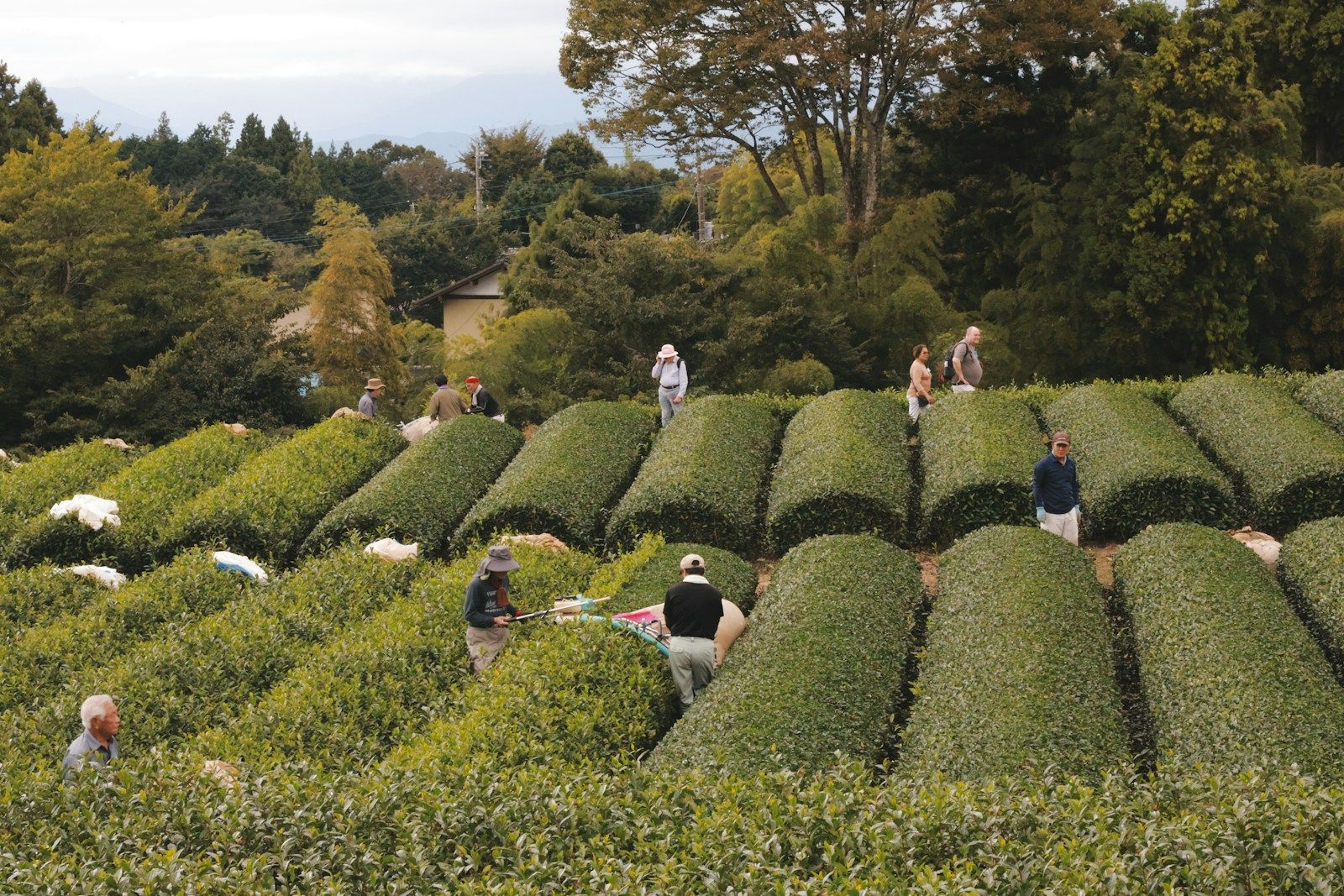
Several weeks before the spring harvest, farmers cover the tea bushes with shade cloth, straw or reed screens. Shading usually lasts around three to four weeks and blocks most of the sunlight. In response, the plant produces more chlorophyll, which gives matcha its bright green color, and holds on to more of an amino acid called L-theanine, which gives matcha its sweet, savory umami taste. Less sunlight also means the leaves convert less L-theanine into catechins, the compounds that can make tea taste bitter and astringent.
2. Harvesting the leaves
When you ask what is matcha at its finest, the answer starts with the harvest. The best matcha is made from the first harvest of the year (ichibancha) in spring, when the young leaves are at their most tender and flavorful. High-end tea may be hand-picked, while most commercial matcha is harvested by machine. Later harvests in summer and autumn produce leaves that are tougher and more bitter, and these usually go into cheaper culinary matcha.
3. Steaming and drying
Within hours of picking, the leaves are briefly steamed. This stops the leaves from oxidizing, which would turn them brown, as happens with black tea. The leaves are then dried. Unlike most green teas, they are not rolled into needles. Instead, they are dried flat.
4. Making tencha
After drying, the stems and veins are removed, leaving only the soft, flaky leaf. This refined leaf is called tencha, and it is the raw material for matcha. Tencha can be stored for months in cold storage and ground fresh as needed.
5. Stone grinding
Traditionally, tencha is ground between slowly turning granite millstones. The process is very slow, and a single traditional stone mill produces only a small amount of powder per hour, roughly a few dozen grams. Grinding slowly keeps the leaf from heating up, which would damage its flavor and color. Many modern producers use other milling methods, such as ball mills, especially for culinary-grade matcha, but stone grinding is still the standard for premium drinking matcha.
What Is Matcha Grade? Ceremonial vs Culinary
When you shop for matcha, you will usually see two main labels: ceremonial grade and culinary grade. Some brands add extra tiers, such as "premium", "latte grade" or "barista grade".
| Ceremonial grade | Culinary grade | |
|---|---|---|
| Best for | Drinking straight with water | Lattes, smoothies, baking and cooking |
| Leaves | Usually young, first-harvest leaves | Often later harvests or more mature leaves |
| Color | Vibrant, electric green | Duller, more yellowish or olive green |
| Taste | Smooth, sweet, rich umami, low bitterness | Stronger, more bitter and astringent |
| Texture | Very fine and silky | Slightly coarser |
| Price | Higher | Lower |
One important point when you ask what is matcha grade, exactly: "ceremonial grade" is not an official or regulated term. There is no international standard that says what counts as ceremonial, and the label is largely a Western marketing term. Two "ceremonial" matchas from different brands can be very different in quality. Instead of relying on the label, look at the harvest, the origin, the color and the price, which we cover in the buying section below.
Culinary-grade matcha is not "bad" matcha. Its stronger flavor is actually useful when matcha needs to stand up to milk, sugar or butter. Using expensive ceremonial matcha in a cake is mostly a waste of money, because its delicate flavor gets lost.
What Does Matcha Taste Like?
Taste is the best way to understand what is matcha and why people love it. People who try matcha for the first time often describe it as "grassy" or "like spinach", and a poor-quality matcha can indeed taste like bitter lawn clippings. Good matcha is more complex. Expect:
- Vegetal freshness: a clean, green flavor, a bit like fresh peas or young greens.
- Umami: a rich, savory, almost brothy depth from the L-theanine produced by shading.
- Natural sweetness: a gentle sweetness that lingers after you swallow.
- Light bitterness: a little pleasant astringency, like dark chocolate, but it should not dominate.
- Creamy texture: when whisked well, matcha has a smooth, velvety body and a soft foam on top.
In a latte, the milk softens the bitterness and brings out a sweet, nutty, almost vanilla-like flavor, which is why lattes are the most popular way to drink matcha in the US, UK and Canada. If you did not like matcha the first time, it may simply have been a low-quality powder, too much powder, or water that was too hot.
Matcha Caffeine vs Coffee
One of the most common questions after "what is matcha" is "does matcha have caffeine?" Yes, it does, and usually more than regular green tea, because you consume the whole leaf.
The amount varies a lot depending on the leaf, the harvest and how much powder you use. Published estimates put matcha at roughly 19 to 44 mg of caffeine per gram of powder, according to a summary by Healthline. A typical serving uses about 2 grams (around 1 teaspoon), which works out to roughly 40 to 90 mg of caffeine.
| Drink | Typical caffeine (approximate) |
|---|---|
| Matcha, 2 g serving (about 1 tsp) | 40–90 mg |
| Brewed coffee, 8 oz cup | 80–100 mg or more |
| Espresso, single shot | About 60–75 mg |
| Brewed green tea, 8 oz cup | About 30 mg |
| Brewed black tea, 8 oz cup | About 40–50 mg |
These are averages. Coffee shop drinks can contain much more, especially large sizes with extra shots or extra scoops of matcha.
Why matcha feels different from coffee
Many people say matcha gives them a calmer, steadier energy than coffee, without the same jitters or crash. A likely reason is L-theanine, the amino acid that shade-growing boosts. L-theanine is linked with a state of relaxed alertness, and small studies suggest that L-theanine and caffeine together may improve attention more than caffeine alone. The research is still limited, and how you feel depends on your own sensitivity to caffeine, but this combination is one of the main reasons matcha has become a popular coffee alternative.
If you are looking for a gentler start to the day, swapping your second coffee for a matcha is a simple change to try. It pairs well with the habits in our guide on how to build a morning routine that sticks.
Matcha Health Benefits: What the Research Says
If you search online for what is matcha good for, you will find a lot of hype. Matcha is often marketed as a "superfood" with dramatic claims, from burning fat to preventing cancer. The real picture is more modest but still interesting. Matcha is a concentrated form of green tea, and green tea has been studied for decades. Here is what the evidence suggests.
1. It is rich in antioxidants
Matcha contains high levels of plant compounds called catechins, a type of polyphenol with antioxidant activity. The most abundant and most studied is epigallocatechin gallate (EGCG). A 2020 scientific review, "Health Benefits and Chemical Composition of Matcha Green Tea", published in the journal Molecules and available through the US National Library of Medicine, describes these antioxidant and anti-inflammatory compounds and notes that matcha can contain more of some of them than other green teas, because the whole leaf is consumed. Antioxidants help counter oxidative stress in the body, although drinking antioxidants does not automatically translate into specific health outcomes.
2. It may support focus and attention
The combination of caffeine and L-theanine in matcha has been linked in small human studies with improvements in attention, reaction time and memory on certain tasks. These effects are generally modest, and studies vary in the amounts used. Matcha will not make you a genius, but many people find it a pleasant way to feel alert without overdoing caffeine.
3. It may support heart and metabolic health
Large observational studies have linked regular green tea drinking with a lower risk of heart disease and better cholesterol levels, and some studies suggest a small effect on metabolism and fat burning. However, observational studies cannot prove cause and effect, and any effect on weight is small. Matcha is not a weight-loss solution on its own, especially if it comes as a large, sugary latte.
4. It may support liver health, but supplements are a different story
Some small studies have looked at green tea and liver health with mixed results. At the same time, highly concentrated green tea extract supplements have been linked to rare cases of liver injury, according to the US National Center for Complementary and Integrative Health (NCCIH). Drinking matcha as a beverage in normal amounts is very different from taking high-dose extract pills, but it is a good reminder that more is not always better.
What matcha will not do
Be skeptical of products and posts that claim matcha "detoxes" your body, cures disease or melts fat. There is no good evidence for these claims. The most honest way to think about matcha is as a flavorful, lower-caffeine alternative to coffee that contains useful plant compounds, enjoyed as part of an overall healthy diet.
Side Effects and Who Should Be Careful
For most healthy adults, a cup or two of matcha a day is generally considered safe. But because matcha is concentrated, keep these points in mind:
- Caffeine limits: The US Food and Drug Administration (FDA) says 400 mg of caffeine a day is generally not associated with negative effects for healthy adults. Remember to count matcha alongside coffee, tea, energy drinks, soda and chocolate.
- Pregnancy and breastfeeding: People who are pregnant, trying to become pregnant or breastfeeding are usually advised to limit caffeine. Ask your doctor or midwife how much is right for you.
- Caffeine sensitivity: If caffeine makes you anxious, gives you a racing heart or keeps you awake, start with a small serving and avoid matcha in the afternoon and evening.
- Medications and health conditions: Green tea can interact with some medications, including certain blood thinners and heart medications. If you take regular medication or have a heart, liver or anxiety condition, check with your doctor or pharmacist.
- Upset stomach: Some people feel queasy drinking matcha on an empty stomach. Try it with or after breakfast.
- Children: Matcha contains caffeine, so it is not a suitable drink for young children.
Because you consume the whole leaf, buying from a reputable brand that tests for contaminants such as heavy metals and pesticides is also a sensible choice.
How to Make Matcha at Home
Now that you know what is matcha and where it comes from, it is time to make it. Preparing matcha is quick and simple once you have done it a few times. You do not need a full tea ceremony set, but a few traditional tools make a real difference.
Matcha tools
- Bamboo whisk (chasen): a whisk carved from a single piece of bamboo, with dozens of fine tines. It is the best tool for a smooth, frothy matcha.
- Matcha bowl (chawan): a wide bowl that gives you room to whisk. Any wide, shallow bowl or large mug will do.
- Bamboo scoop (chashaku): a thin scoop that measures roughly 1 gram per heaped scoop. A regular ½ teaspoon works too.
- Fine sieve: a small tea strainer to break up lumps before whisking.
- Optional: a handheld electric milk frother, which is a quick and affordable alternative to a bamboo whisk, especially for lattes.
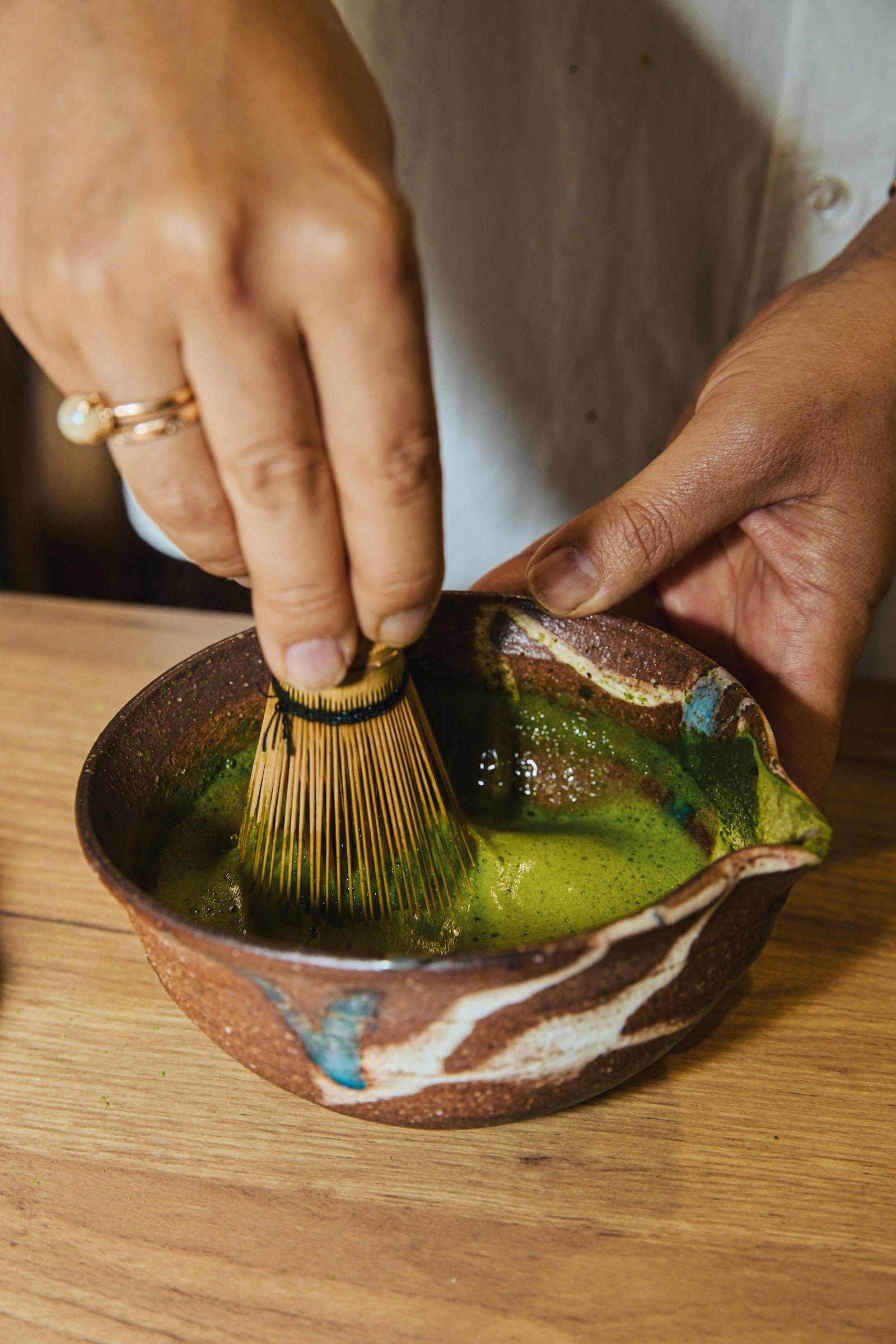
How to make traditional matcha (usucha)
The everyday style of matcha is called usucha, or "thin tea". It is the style you will see most often.
- Warm your bowl. Pour a little hot water into the bowl, swirl it, and pour it out. This keeps your tea warm. If you have a bamboo whisk, soak its tines in the warm water for a minute to soften them.
- Sift the matcha. Sift 1 to 2 grams (about ½ to 1 teaspoon, or 1 to 2 bamboo scoops) of matcha through a fine sieve into the dry bowl. Matcha clumps easily, and sifting is the secret to a lump-free drink.
- Add a splash of water. Pour in a small amount of water and stir to make a smooth paste. This helps dissolve any remaining lumps.
- Add the rest of the water. Add about 2 to 3 oz (60 to 80 ml) of water in total, heated to around 160 to 175°F (70 to 80°C). Never use boiling water, because it scorches the tea and makes it bitter.
- Whisk. Hold the bowl with one hand and whisk briskly from the wrist in a quick "M" or "W" zigzag motion, not in circles, for about 15 to 30 seconds. Keep the whisk just off the bottom of the bowl.
- Finish and enjoy. When the surface is covered in fine, even foam, slowly lift the whisk from the center. Drink right away, before the powder settles.
Koicha: thick matcha
In formal tea ceremonies, hosts also serve koicha, or "thick tea". It uses about twice as much high-grade matcha with much less water, and it is gently kneaded with the whisk rather than frothed. The result is thick, almost like melted chocolate, with an intense, sweet flavor. Koicha needs the highest-quality matcha, so most people start with usucha.
Matcha Latte and Easy Matcha Recipes
For many people in the US, UK and Canada, the answer to what is matcha is simply "that green latte". If you find straight matcha too strong, a latte is the easiest way to enjoy it. These recipes work well with a good culinary or latte-grade matcha.
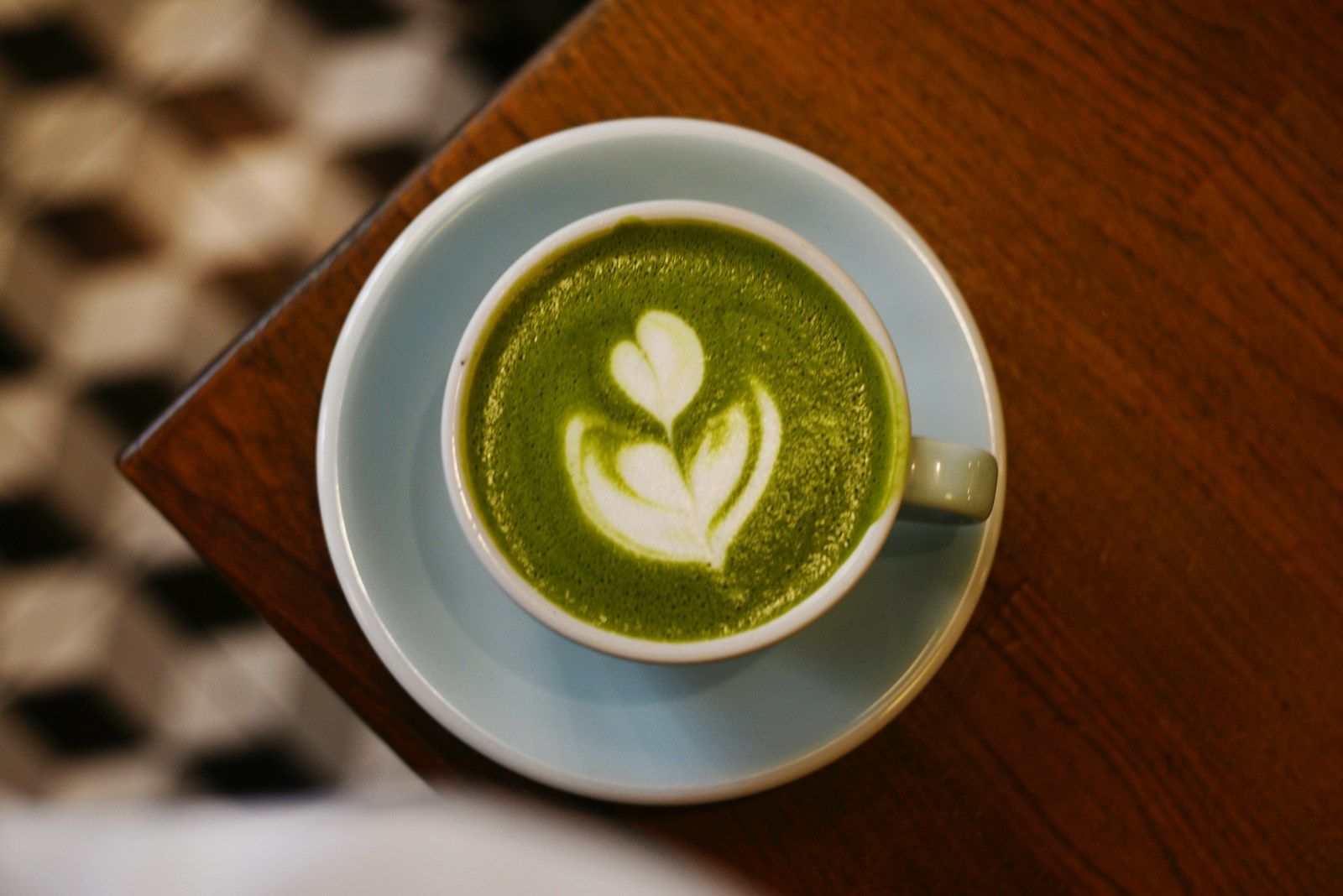
1. Classic hot matcha latte
You will need: 1 to 2 tsp matcha, 2 oz (60 ml) hot water at about 175°F (80°C), 6 to 8 oz (180 to 240 ml) milk of your choice, and sweetener to taste (optional).
- Sift the matcha into a mug or bowl.
- Add the hot water and whisk or froth until smooth and foamy, with no lumps.
- Heat and froth the milk until it is hot but not boiling.
- Pour the milk over the matcha, holding back the foam with a spoon, then spoon the foam on top.
- Sweeten with honey, maple syrup or sugar if you like, and stir.
Oat milk is a favorite for matcha lattes because its natural sweetness and creamy body balance the tea's grassy notes. Whole milk, almond, soy and coconut milk all work too.
2. Iced matcha latte
- Whisk 1 to 2 tsp of sifted matcha with 2 oz (60 ml) of warm water until smooth. For a quicker option, shake the matcha and water in a sealed jar.
- Fill a tall glass with ice and pour in 6 to 8 oz (180 to 240 ml) of cold milk.
- Slowly pour the matcha over the milk for a pretty layered look.
- Add sweetener if you want, then stir before drinking.
3. Matcha banana smoothie
Blend 1 frozen banana, 1 tsp matcha, 1 cup (240 ml) of milk, a handful of spinach (optional), and 1 tbsp of nut butter or oats until smooth. It makes an easy, energizing breakfast that hides the grassy taste well.
4. Overnight matcha oats
Stir ½ cup rolled oats, ½ cup milk, ¼ cup yogurt, 1 tsp matcha, 1 tbsp chia seeds and a little honey or maple syrup together in a jar. Refrigerate overnight and top with berries or sliced banana in the morning.
5. Baking with matcha
Matcha adds color and a gentle tea flavor to cookies, pound cake, brownies, pancakes and ice cream. As a general guide, replace about 1 to 2 tablespoons of flour with matcha in a standard recipe, and pair it with white chocolate, vanilla, coconut or berries. Use culinary-grade matcha for baking, and do not expect it to stay bright green in the oven: some browning is normal.
How to Buy and Store Matcha
Knowing what is matcha in theory is one thing; picking a good tin in a store is another. Matcha quality varies more than almost any other tea, and price is often a useful (though not perfect) guide. Here is what to look for.
What to look for
- Color: Look for a bright, vivid green. Yellowish, olive or brownish powder is usually lower quality or old.
- Origin: Brands that name a country and region, such as Uji or Kagoshima in Japan, are usually more transparent about quality.
- Harvest: "First harvest" or "spring harvest" usually means a sweeter, smoother matcha for drinking.
- Ingredients: The only ingredient should be green tea, or matcha. Many "matcha latte mixes" are mostly sugar or milk powder, so check the label.
- Packaging: Matcha should come in a sealed, airtight, light-proof tin or pouch, not a clear bag or jar.
- Price: Good drinking matcha is rarely cheap. If a large bag of "ceremonial grade" costs about the same as regular tea bags, be skeptical.
- Testing: Reputable sellers often share lab tests for pesticides, heavy metals or radiation. It is a good sign of a serious brand.
How to store matcha
Matcha is delicate. Light, heat, air and moisture quickly dull its color and flavor. To keep it fresh:
- Keep it in an airtight, opaque container and close it tightly after each use.
- Store unopened matcha in the fridge or a cool, dark cupboard. Once opened, many people keep it in the fridge, sealed well to avoid moisture and smells.
- If you refrigerate it, let the tin come to room temperature before opening, so condensation does not form inside.
- Try to use an opened tin within about one to two months for the best flavor.
- Buy small tins (20 to 40 g) rather than large bags, unless you use a lot of matcha in lattes or baking.
Common Matcha Mistakes (and How to Fix Them)
Many people decide they do not like matcha before they really know what is matcha supposed to taste like. If your first matcha tasted bitter, lumpy or flat, one of these common mistakes is probably to blame.
- Using boiling water: Water that is too hot scorches matcha and makes it bitter. Aim for 160 to 175°F (70 to 80°C).
- Skipping the sieve: Matcha forms tiny clumps. Sifting takes seconds and gives you a smooth drink.
- Whisking in circles: Circular stirring does not create foam. Use a fast zigzag motion from your wrist.
- Using too much powder: More matcha does not always mean better matcha. Start with about 1 gram for straight tea and adjust.
- Buying the cheapest powder: Very cheap matcha is often bitter and dull. If you drink it straight, it is worth paying more.
- Leaving the tin open: Matcha oxidizes quickly. Seal it tightly and keep it cool and dark.
- Letting it sit: Matcha powder is suspended in water, not dissolved, so it settles over time. Drink it fresh, or give it a quick stir.
Like any new skill, from learning a hobby such as crochet for beginners to whisking the perfect bowl of tea, a little practice goes a long way. After a week of daily matcha, you will know exactly how you like it.
Frequently Asked Questions
What is matcha made of?
Matcha is made of only one ingredient: shade-grown green tea leaves from the Camellia sinensis plant. The leaves are steamed, dried, stripped of their stems and veins, and stone-ground into a fine powder. Pure matcha contains no added sugar, milk or flavorings.
What is matcha good for?
Matcha is a flavorful drink that gives a gentle caffeine boost, often with less of a jittery feeling than coffee. It is rich in antioxidants such as EGCG and contains L-theanine, which may support calm focus. Research on its wider health effects is promising but still limited, so treat it as part of a healthy diet rather than a cure for anything.
Does matcha have more caffeine than coffee?
Usually not. A typical 2 g serving of matcha has about 40 to 90 mg of caffeine, while an 8 oz cup of brewed coffee often has 80 to 100 mg or more. However, matcha has much more caffeine than regular brewed green tea, and large cafe lattes with extra matcha can contain more caffeine than you might expect.
Can I drink matcha every day?
For most healthy adults, one or two servings of matcha a day is generally considered fine, as long as your total daily caffeine stays within recommended limits. If you are pregnant, breastfeeding, sensitive to caffeine or take regular medication, ask your doctor first.
What is matcha vs green tea: is matcha better?
Matcha is not necessarily "better", but it is more concentrated. Because you drink the whole leaf, a serving of matcha usually contains more caffeine, antioxidants and L-theanine than a cup of steeped green tea. It also has a richer flavor and texture. Regular green tea is cheaper and lighter, and it is a great choice too.
What is matcha supposed to taste like?
Good matcha tastes fresh, green and slightly sweet, with a rich savory umami flavor and a light, pleasant bitterness. It should not be harsh, sour, fishy or very bitter. If yours is, it may be old, low quality, or made with water that was too hot.
Can I make matcha without a whisk?
A matcha whisk (chasen) is a bamboo whisk with dozens of fine tines. You can make matcha without one: a handheld electric milk frother works very well and is quick and cheap. You can also shake matcha with water in a tightly sealed jar or blend it. A bamboo whisk gives the finest, most traditional foam, but it is not essential.
What is matcha shelf life, and how long does it last?
Unopened matcha usually stays good for several months to a year if stored somewhere cool and dark; check the best-by date on the tin. Once opened, use it within about one to two months for the best color and flavor.
Final Thoughts
So, what is matcha? It is far more than a trendy green latte. It is a centuries-old Japanese tea made from shade-grown leaves that are carefully steamed, dried and stone-ground into a vivid powder, so you drink the whole leaf. It offers a rich, sweet and savory flavor, a gentler caffeine lift than most coffee, and a good dose of antioxidants, all in a ritual that takes less than two minutes to make.
Start with a good-quality powder, sift it, use water that is hot but not boiling, and whisk until frothy. Try it straight first, then experiment with lattes, smoothies and baking until you find your favorite. Whether you are looking for a coffee alternative or a calm new morning ritual, matcha is well worth a try.
How do you like your matcha: straight, hot latte or iced? Share your favorite in the comments below, and explore more lifestyle guides on Daily Leaflet.
Image credits
- Matcha powder and whisk: Photo by Charles Chen on Unsplash
- Tea plantation: Photo by Michael Lebedew on Unsplash
- Whisking matcha: Photo by adrien lopes on Unsplash
- Matcha latte: Photo by Liana S on Unsplash