FIFA World Cup Winners List (1930–2026) + Future Hosts: 2030 and 2034
Daily Leaflet
17 minutes readEvery four years, the whole planet stops to watch the FIFA World Cup. Since the first tournament in Uruguay in 1930, only eight countries have managed to lift the most famous trophy in sport. In this complete World Cup winners list, you will find every champion from 1930 to 2026, the final scores, the host nations, the most important records and the biggest stories behind each title.
We have also included everything you need to know about the next two tournaments: the centenary World Cup in 2030, hosted by Spain, Portugal and Morocco with opening matches in South America, and the 2034 World Cup in Saudi Arabia. Whether you are settling a debate with friends, preparing for a quiz or planning a trip to a future World Cup, this guide has you covered.
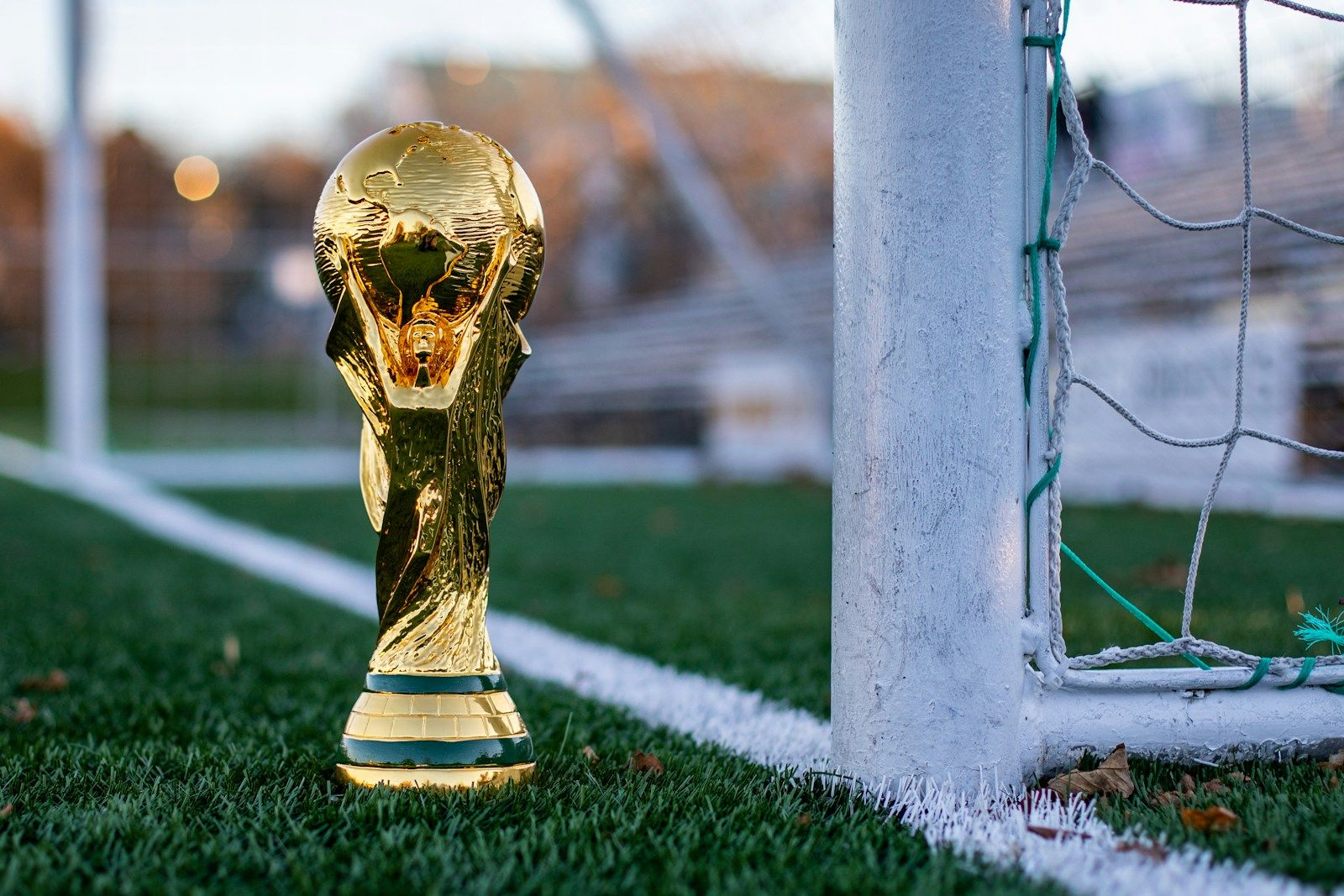
- Brazil: 5 titles (1958, 1962, 1970, 1994, 2002)
- Germany: 4 titles (1954, 1974, 1990, 2014)
- Italy: 4 titles (1934, 1938, 1982, 2006)
- Argentina: 3 titles (1978, 1986, 2022)
- France: 2 titles (1998, 2018)
- Uruguay: 2 titles (1930, 1950)
- Spain: 2 titles (2010, 2026)
- England: 1 title (1966)
Latest champion: Spain won the 2026 World Cup, beating Argentina 1–0 after extra time in the final.
Complete World Cup Winners List (1930–2026)
Here is the full World Cup winners list, with the host country, the champion, the score in the final and the runner-up for every tournament. The World Cup was not held in 1942 or 1946 because of the Second World War.
| Year | Host | Winner | Final score | Runner-up |
|---|---|---|---|---|
| 1930 | Uruguay | Uruguay | 4–2 | Argentina |
| 1934 | Italy | Italy | 2–1 (after extra time) | Czechoslovakia |
| 1938 | France | Italy | 4–2 | Hungary |
| 1950 | Brazil | Uruguay | 2–1 (deciding match of the final round) | Brazil |
| 1954 | Switzerland | West Germany | 3–2 | Hungary |
| 1958 | Sweden | Brazil | 5–2 | Sweden |
| 1962 | Chile | Brazil | 3–1 | Czechoslovakia |
| 1966 | England | England | 4–2 (after extra time) | West Germany |
| 1970 | Mexico | Brazil | 4–1 | Italy |
| 1974 | West Germany | West Germany | 2–1 | Netherlands |
| 1978 | Argentina | Argentina | 3–1 (after extra time) | Netherlands |
| 1982 | Spain | Italy | 3–1 | West Germany |
| 1986 | Mexico | Argentina | 3–2 | West Germany |
| 1990 | Italy | West Germany | 1–0 | Argentina |
| 1994 | United States | Brazil | 0–0 (3–2 on penalties) | Italy |
| 1998 | France | France | 3–0 | Brazil |
| 2002 | South Korea & Japan | Brazil | 2–0 | Germany |
| 2006 | Germany | Italy | 1–1 (5–3 on penalties) | France |
| 2010 | South Africa | Spain | 1–0 (after extra time) | Netherlands |
| 2014 | Brazil | Germany | 1–0 (after extra time) | Argentina |
| 2018 | Russia | France | 4–2 | Croatia |
| 2022 | Qatar | Argentina | 3–3 (4–2 on penalties) | France |
| 2026 | United States, Canada & Mexico | Spain | 1–0 (after extra time) | Argentina |
Which Countries Have Won the Most World Cups?
Only eight nations appear on the World Cup winners list, which shows just how hard it is to win football's biggest prize. Three of them, Brazil, Germany and Italy, have won the trophy at least four times.
- Brazil (5): The most successful nation in World Cup history and the only team to have played at every single World Cup. Brazil's famous yellow shirt has five stars, one for each title.
- Germany (4): Germany has reached more World Cup finals than any other nation and is known for its consistency at major tournaments.
- Italy (4): Italy won back-to-back titles in 1934 and 1938, and added further crowns in 1982 and 2006.
- Argentina (3): Led by Diego Maradona in 1986 and Lionel Messi in 2022, Argentina has produced some of the most famous moments in the tournament's history.
- France, Uruguay and Spain (2 each): France won at home in 1998 and again in Russia in 2018. Uruguay won the very first tournament and stunned Brazil in 1950. Spain won its first title in 2010 and its second in 2026.
- England (1): England's only title came on home soil in 1966.
The Story of Every World Cup Champion
Behind every line of the World Cup winners list is a story. Here are the highlights of each era.
The early years (1930–1938)
The first World Cup was held in Uruguay in 1930, the year the country celebrated the 100th anniversary of its first constitution. Only 13 teams took part, and most European nations chose not to make the long sea journey to South America. Uruguay beat their neighbours Argentina 4–2 in the final in Montevideo to become the first name on the World Cup winners list. Italy then won on home soil in 1934 and defended their title in France in 1938, a feat that would not be repeated for another 24 years.
The Maracanazo and the Miracle of Bern (1950–1954)
After a 12-year break caused by the Second World War, the 1950 tournament in Brazil had no single final. Instead, the winner was decided by a final group, and the last match turned into a winner-takes-all decider. Uruguay came from behind to beat Brazil 2–1 in front of a huge crowd at the Maracanã in Rio de Janeiro, a shock so famous that Brazilians still call it the "Maracanazo". Four years later in Switzerland, West Germany beat the brilliant Hungarian team, who had been unbeaten for years, 3–2 in a final remembered as the "Miracle of Bern".
The age of Pelé (1958–1970)
A 17-year-old Pelé announced himself to the world in Sweden in 1958, scoring twice in the final as Brazil beat the hosts 5–2. Brazil retained the trophy in Chile in 1962, even though Pelé was injured early in the tournament. Between those Brazilian titles, England won their only World Cup in 1966, beating West Germany 4–2 after extra time at Wembley, with Geoff Hurst scoring a hat-trick. Brazil's 1970 team, with Pelé, Jairzinho, Rivelino and Carlos Alberto, is still considered by many to be the greatest side of all time. Their 4–1 win over Italy in Mexico City made Brazil the first nation to win three titles.
Total Football and South American glory (1974–1986)
The Netherlands' "Total Football", led by Johan Cruyff, dazzled the world in 1974, but West Germany beat them 2–1 in the final in Munich. The Dutch lost the final again in 1978, this time to hosts Argentina after extra time. Italy won their third title in Spain in 1982, beating West Germany 3–1 in Madrid. Then came 1986, Diego Maradona's World Cup. His two goals against England in the quarter-final, the "Hand of God" and a solo run often called the greatest goal ever scored, are among the most famous moments in sport. Argentina beat West Germany 3–2 in the final.
Penalties and new champions (1990–2006)
West Germany got their revenge in 1990, beating Argentina 1–0 in Rome, just months before German reunification. In 1994, the United States hosted the tournament for the first time, and Brazil beat Italy in the first final ever decided by a penalty shoot-out. France won on home soil in 1998, with Zinedine Zidane scoring twice in a 3–0 win over Brazil. Brazil bounced back to win a record fifth title in 2002, a feat no other team on the World Cup winners list has matched, the first World Cup held in Asia, with Ronaldo scoring both goals in the final. Italy won their fourth title in 2006 on penalties against France, in a final remembered for Zidane's red card.
Spain, Germany, France and Messi (2010–2022)
In 2010, Africa hosted the World Cup for the first time, and Spain's famous passing team won their first title, beating the Netherlands 1–0 after extra time. Germany won in Brazil in 2014, thrashing the hosts 7–1 in the semi-final before beating Argentina in the final. A young Kylian Mbappé helped France win the 2018 tournament in Russia. In Qatar in 2022, Lionel Messi finally lifted the trophy after one of the greatest finals ever played: Argentina and France drew 3–3, with Mbappé scoring a hat-trick, before Argentina won on penalties.
The 2026 World Cup: Spain's Second Star
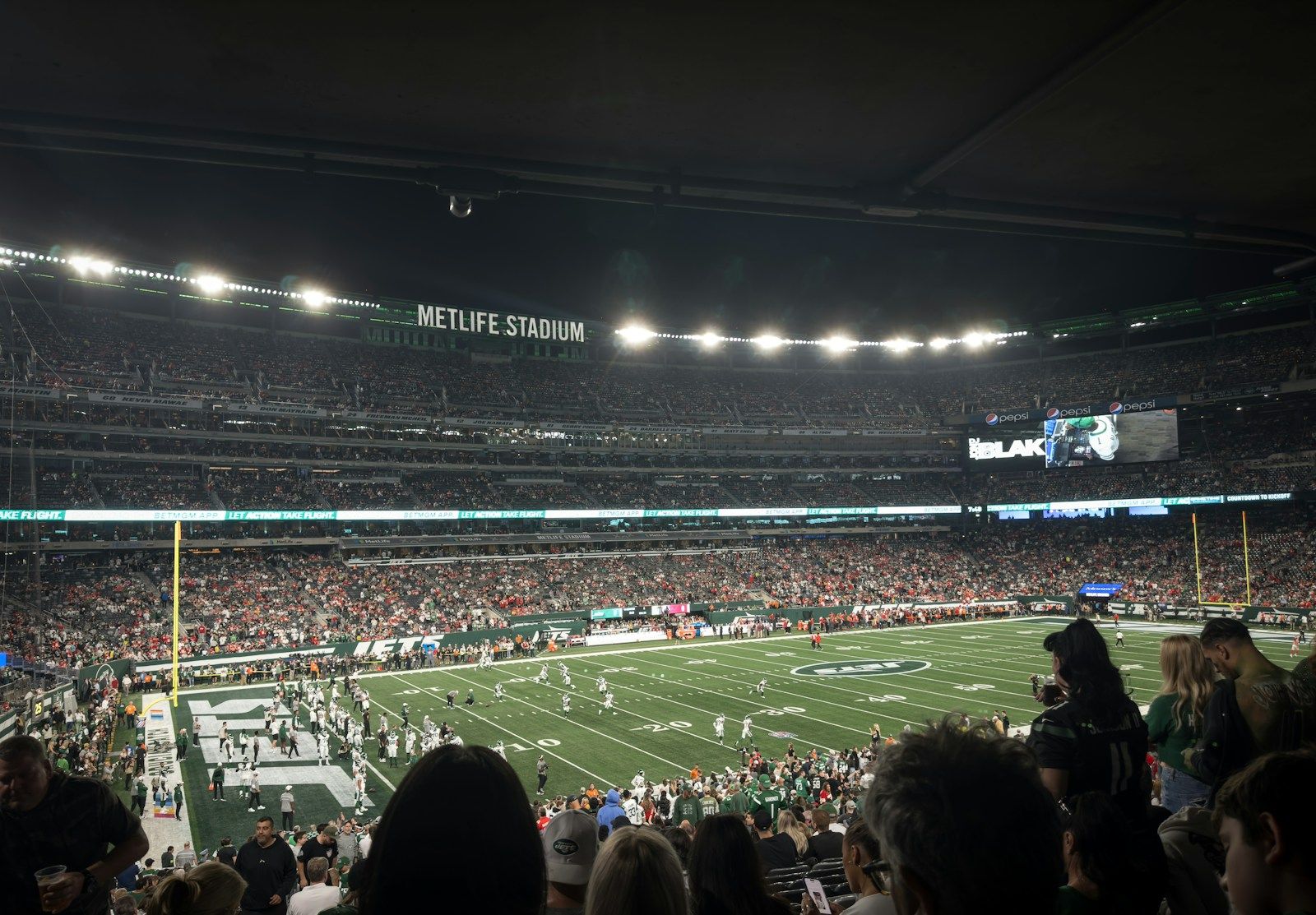
The 2026 World Cup was the biggest in history. For the first time, 48 teams took part, playing 104 matches across 16 host cities in the United States, Canada and Mexico. It was also the first World Cup to be hosted by three countries.
The final took place on 19 July 2026 at MetLife Stadium in New Jersey, near New York City, in front of around 80,000 fans. Spain and Argentina were locked at 0–0 until the 106th minute, when substitute Ferran Torres scored the only goal of the game in extra time. The win gave Spain their second World Cup title, 16 years after their first, and added a new name to the top of the World Cup winners list.
In the third-place match, England beat France 6–4 in one of the most entertaining games of the tournament.
| 2026 award | Winner |
|---|---|
| Golden Ball (best player) | Rodri (Spain) |
| Silver Ball | Lionel Messi (Argentina) |
| Golden Boot (top scorer) | Kylian Mbappé (France), 10 goals |
| Golden Glove (best goalkeeper) | Unai Simón (Spain) |
| Best Young Player | Pau Cubarsí (Spain) |
Mbappé's 10 goals made him the first player to win the Golden Boot at two World Cups, after also finishing as top scorer in 2022. They also took him past Miroslav Klose's long-standing record to become the all-time top scorer in World Cup history.
World Cup Winners List by Continent
Look at the World Cup winners list by continent and a clear pattern appears: every single title has been won by a team from Europe or South America.
| Continent | Titles | Champions |
|---|---|---|
| Europe | 13 | Italy (4), Germany (4), France (2), Spain (2), England (1) |
| South America | 10 | Brazil (5), Argentina (3), Uruguay (2) |
| Africa, Asia, North America, Oceania | 0 | No champion yet |
Morocco's run to the semi-finals in 2022 is the closest an African team has come to the final, while South Korea reached the last four as co-hosts in 2002. Many fans believe it is only a matter of time before a new continent appears on the World Cup winners list.
Back-to-back champions
Winning the World Cup once is incredibly difficult. Winning it twice in a row is even rarer. Only two teams on the World Cup winners list have successfully defended their title: Italy (1934 and 1938) and Brazil (1958 and 1962). Several champions have come close since then, including Brazil, who reached the final again in 1998 as holders, and Argentina and France, who both reached consecutive finals in recent tournaments.
Biggest World Cup Records
The World Cup winners list tells you who lifted the trophy, but the record books tell the rest of the story.
- Most titles: Brazil, with five.
- All-time top scorer: Kylian Mbappé (France) with 22 goals after the 2026 tournament, ahead of Lionel Messi (21) and Miroslav Klose (16), who held the record from 2014 until 2026.
- Most goals at a single World Cup: Just Fontaine (France), 13 goals in 1958. The record has stood for almost 70 years.
- Hat-tricks in a final: Only two players have scored one: Geoff Hurst (England) in 1966 and Kylian Mbappé (France) in 2022.
- Most titles won by a player: Pelé is the only player to have won the World Cup three times (1958, 1962 and 1970).
- Champions as player and coach: Mário Zagallo (Brazil), Franz Beckenbauer (Germany) and Didier Deschamps (France) won the trophy both as a player and as a manager.
- Most appearances: Lionel Messi holds the record for the most World Cup matches played.
- Ever-present: Brazil is the only nation to have played at every World Cup.
- Host nation winners: Six hosts have won the tournament at home: Uruguay (1930), Italy (1934), England (1966), West Germany (1974), Argentina (1978) and France (1998).
5 of the Greatest World Cup Finals
Some finals on the World Cup winners list are remembered more than others. These five are still talked about decades later.
- 2022: Argentina 3–3 France (4–2 on penalties). Messi scored twice, Mbappé scored a hat-trick, and the match swung back and forth before Argentina won the shoot-out. Many experts call it the greatest final ever played.
- 1950: Uruguay 2–1 Brazil. Brazil only needed a draw in front of a packed Maracanã, but Uruguay came from behind to win the title in one of the biggest shocks in sporting history.
- 1966: England 4–2 West Germany (after extra time). Geoff Hurst's hat-trick, including a famous goal that is still debated today, gave England their only title at Wembley.
- 1970: Brazil 4–1 Italy. Brazil's final goal, finished by captain Carlos Alberto after a sweeping team move, is often described as the perfect team goal.
- 2026: Spain 1–0 Argentina (after extra time). A tense, tactical battle in New Jersey was finally settled by Ferran Torres in the 106th minute, giving Spain their second star.
Women's World Cup Winners List
The FIFA Women's World Cup began in 1991 and has grown into one of the biggest events in women's sport. The United States is the most successful nation, with four titles.
| Year | Host | Winner |
|---|---|---|
| 1991 | China | United States |
| 1995 | Sweden | Norway |
| 1999 | United States | United States |
| 2003 | United States | Germany |
| 2007 | China | Germany |
| 2011 | Germany | Japan |
| 2015 | Canada | United States |
| 2019 | France | United States |
| 2023 | Australia & New Zealand | Spain |
The next Women's World Cup will be held in Brazil in 2027.
The 2030 World Cup: Spain, Portugal and Morocco
The 2030 World Cup will mark 100 years since the first tournament in Uruguay, and FIFA has planned a celebration to match. At an extraordinary FIFA Congress on 11 December 2024, Spain, Portugal and Morocco were confirmed as the hosts, making it the first World Cup to be played across three continents: Europe, Africa and South America.
Centenary matches in South America
To honour the history of the tournament, the first matches will be played in South America. Uruguay's Estadio Centenario in Montevideo, where the very first World Cup final was played in 1930, is due to host a special centenary match on 8 June 2030. Argentina (Estadio Monumental in Buenos Aires) and Paraguay (Asunción) will also host one match each before the tournament moves to Europe and Africa.
Key facts about the 2030 World Cup
- Dates: Scheduled from 8 June to 21 July 2030.
- Hosts: Spain, Portugal and Morocco, with centenary matches in Uruguay, Argentina and Paraguay.
- Teams: FIFA's current format has 48 teams. South America's football confederation has proposed expanding the centenary edition to 64 teams, but FIFA has not confirmed this.
- Host cities: Around 20 stadiums in 17 cities are planned. Spain's candidates include Madrid, Barcelona, Seville, Bilbao, San Sebastián, Zaragoza and Las Palmas; Portugal's are Lisbon and Porto; and Morocco's are Casablanca, Rabat, Tangier, Marrakesh, Fez and Agadir. Some Spanish venues were still being finalised in 2026.
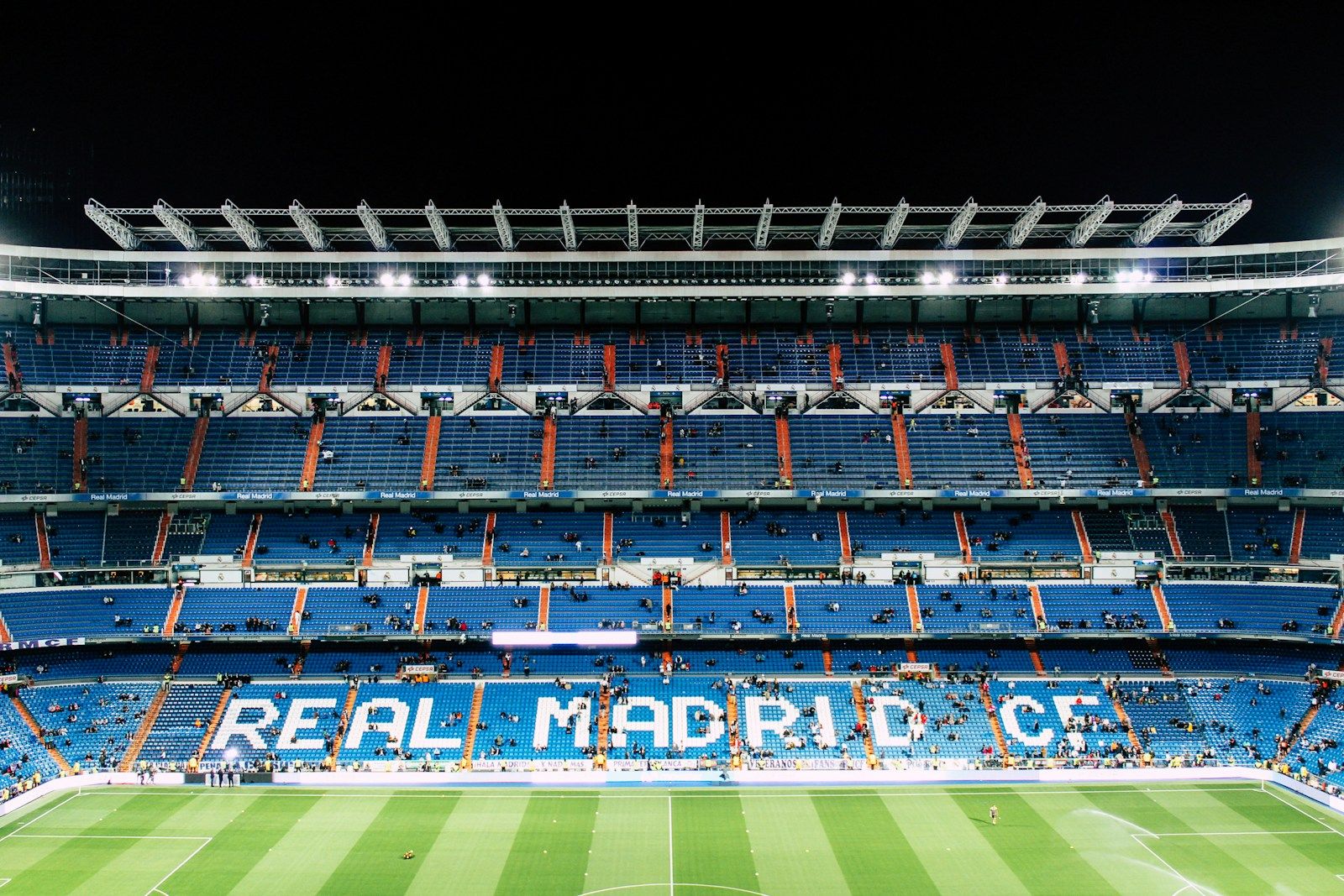
- The final: FIFA has not yet announced the venue. The main contenders are Real Madrid's Santiago Bernabéu, Barcelona's Camp Nou and the new Grand Stade Hassan II near Casablanca, which is planned to be one of the largest football stadiums in the world.
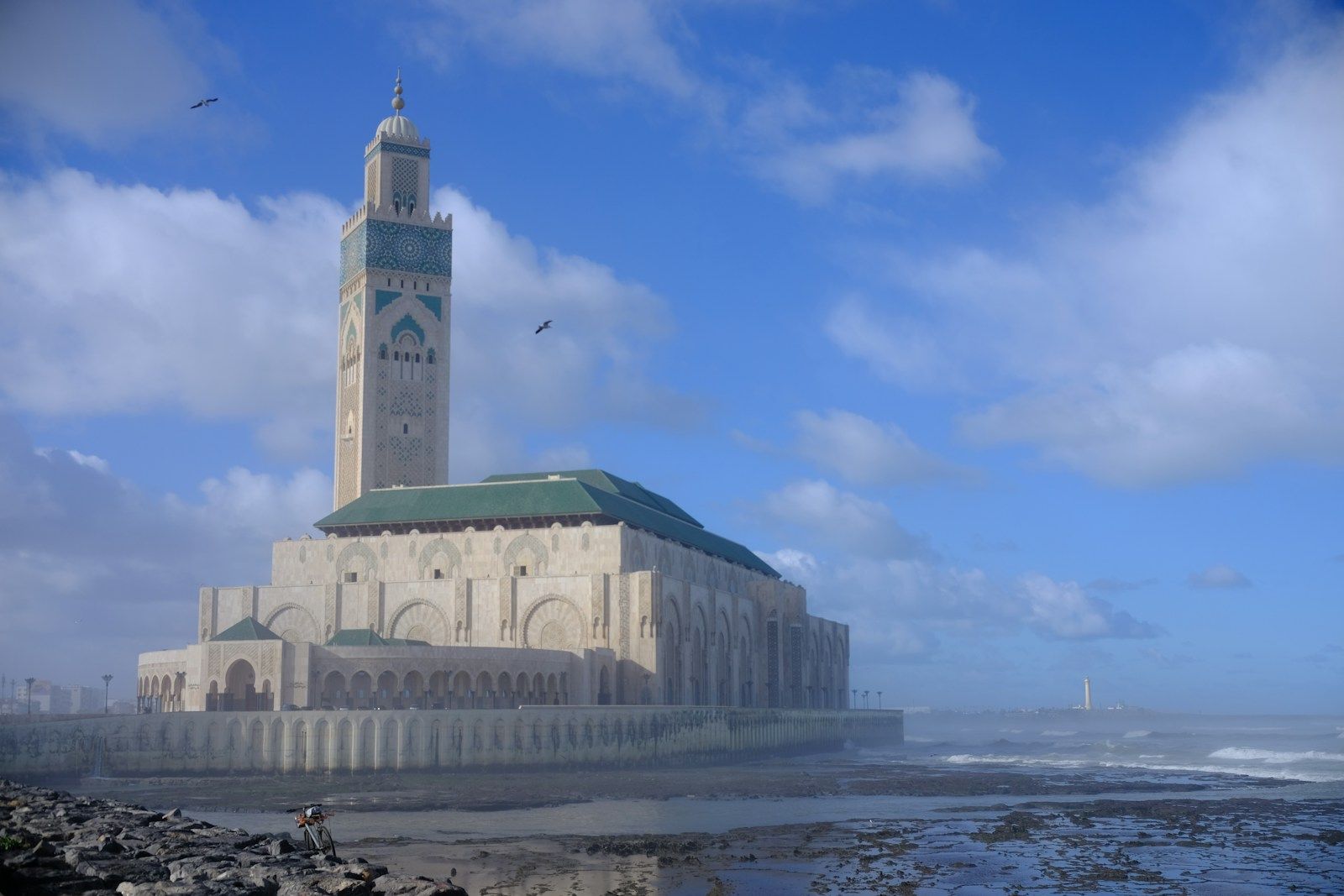
Morocco's place as a co-host is a historic moment. It will be only the second World Cup held in Africa, after South Africa in 2010, and Morocco's semi-final run at the 2022 World Cup showed just how passionate its fans are.
The 2034 World Cup: Saudi Arabia
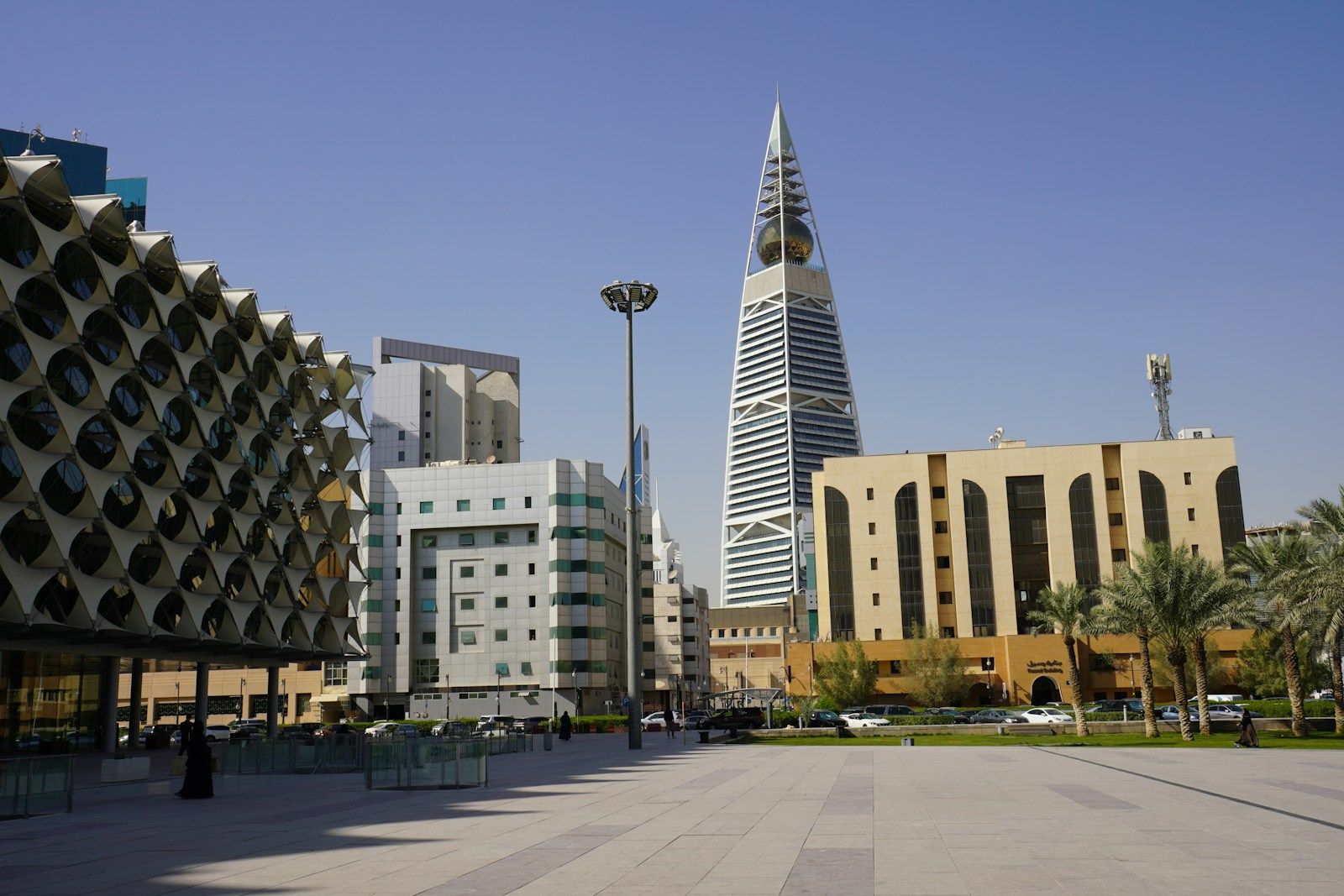
At the same FIFA Congress in December 2024, Saudi Arabia was confirmed as the host of the 2034 World Cup. It will be the second World Cup in the Middle East, after Qatar 2022, and is expected to be the first 48-team World Cup hosted by a single country.
- Host cities: 15 stadiums in five cities: Riyadh (8), Jeddah (4), and one each in Al Khobar, Abha and NEOM.
- Opening match and final: Planned for the new King Salman Stadium in Riyadh, designed to hold more than 92,000 fans.
- Eye-catching venues: Plans include a stadium on top of a cliff in Qiddiya and a stadium high above the ground inside NEOM's futuristic "The Line" development.
- Dates: Not yet confirmed. Because of the summer heat, it is still undecided whether the tournament will be played in June and July or in November and December, as Qatar 2022 was.
Planning a Trip to a Future World Cup
Watching a World Cup match in person is a dream for millions of fans, and the 2030 tournament will be one of the easiest ever to combine with a great holiday. Here are a few tips if you are thinking about going.
- Register early for tickets: Only buy tickets through FIFA's official platform. Unofficial resellers can be expensive, and tickets bought from them may not be valid.
- Combine countries: Spain and Portugal are well connected by train and road, and Morocco is just a short flight or ferry ride from southern Spain. You could easily watch matches in two or three countries on one trip.
- Book accommodation early: Hotels in host cities fill up quickly and prices rise sharply on match days, so book refundable rooms as soon as the schedule is released.
- Think about the heat: Southern Spain, Portugal and Morocco can be very hot in June and July. Pack light clothing, sunscreen and a refillable water bottle.
- Explore beyond the stadiums: Lisbon, Seville, Marrakesh and Porto are fantastic destinations in their own right.
Portugal and Morocco both feature in our guide to the 10 best countries to travel, and our ultimate travel packing list will help you pack for match days and sightseeing.
Frequently Asked Questions
Who won the 2026 World Cup?
Spain won the 2026 World Cup, beating Argentina 1–0 after extra time in the final at MetLife Stadium in New Jersey on 19 July 2026. Ferran Torres scored the winning goal. It was Spain's second title after 2010.
Which country has won the most World Cups?
Brazil has won the most World Cups, with five titles: 1958, 1962, 1970, 1994 and 2002. Germany and Italy are next with four each.
How many countries have won the World Cup?
Only eight countries appear on the World Cup winners list: Brazil, Germany, Italy, Argentina, France, Uruguay, Spain and England.
Who is the all-time top scorer in World Cup history?
Kylian Mbappé of France is the all-time top scorer with 22 World Cup goals after the 2026 tournament. Lionel Messi is second with 21, and Miroslav Klose is third with 16.
Has England won the World Cup?
Yes, once. England won the World Cup on home soil in 1966, beating West Germany 4–2 after extra time in the final at Wembley Stadium.
Has the United States won the World Cup?
The United States men's team has never won the World Cup. Their best result was reaching the semi-finals in 1930. The US women's team, however, has won the Women's World Cup four times.
When and where is the next World Cup?
The next men's World Cup will take place from 8 June to 21 July 2030 in Spain, Portugal and Morocco, with centenary matches in Uruguay, Argentina and Paraguay. The following tournament, in 2034, will be held in Saudi Arabia.
Final Thoughts
In almost a century of World Cups, only eight nations have earned a place on the World Cup winners list, and each title has its own unforgettable story, from Uruguay's first win in 1930 and Pelé's golden era to Messi's triumph in Qatar and Spain's extra-time victory in New Jersey. With the centenary tournament in 2030 and Saudi Arabia's World Cup in 2034 on the horizon, the next chapters are already being written.
Bookmark this World Cup winners list and come back after the next tournament, when we will add the newest champion. Which World Cup final is your favourite of all time? Tell us in the comments below, and explore more guides on Daily Leaflet.
Image credits
- World Cup trophy: Photo by My Profit Tutor on Unsplash
- MetLife Stadium: Photo by Myron Mott on Unsplash
- Santiago Bernabéu Stadium: Photo by Vienna Reyes on Unsplash
- Hassan II Mosque, Casablanca: Photo by AJ Alao on Unsplash
- Riyadh skyline: Photo by Tati Odintsova on Unsplash