The Ultimate Travel Packing List: What to Pack for Any Trip
Daily Leaflet
18 minutes readWhether you are heading off on a weekend city break, a two-week beach holiday or a once-in-a-lifetime adventure, packing is the one part of travel that almost everyone finds stressful. Pack too much and you are dragging a heavy suitcase over cobblestones and paying excess baggage fees. Pack too little and you are buying an overpriced phone charger at the airport. This travel packing list solves that problem for good.
Below you will find a complete, easy-to-follow travel packing list that works for any trip, plus quick lists for different types of holidays, smart packing techniques used by flight attendants and frequent flyers, and a list of things you should never pack. Bookmark it, print it, and use it every time you travel.
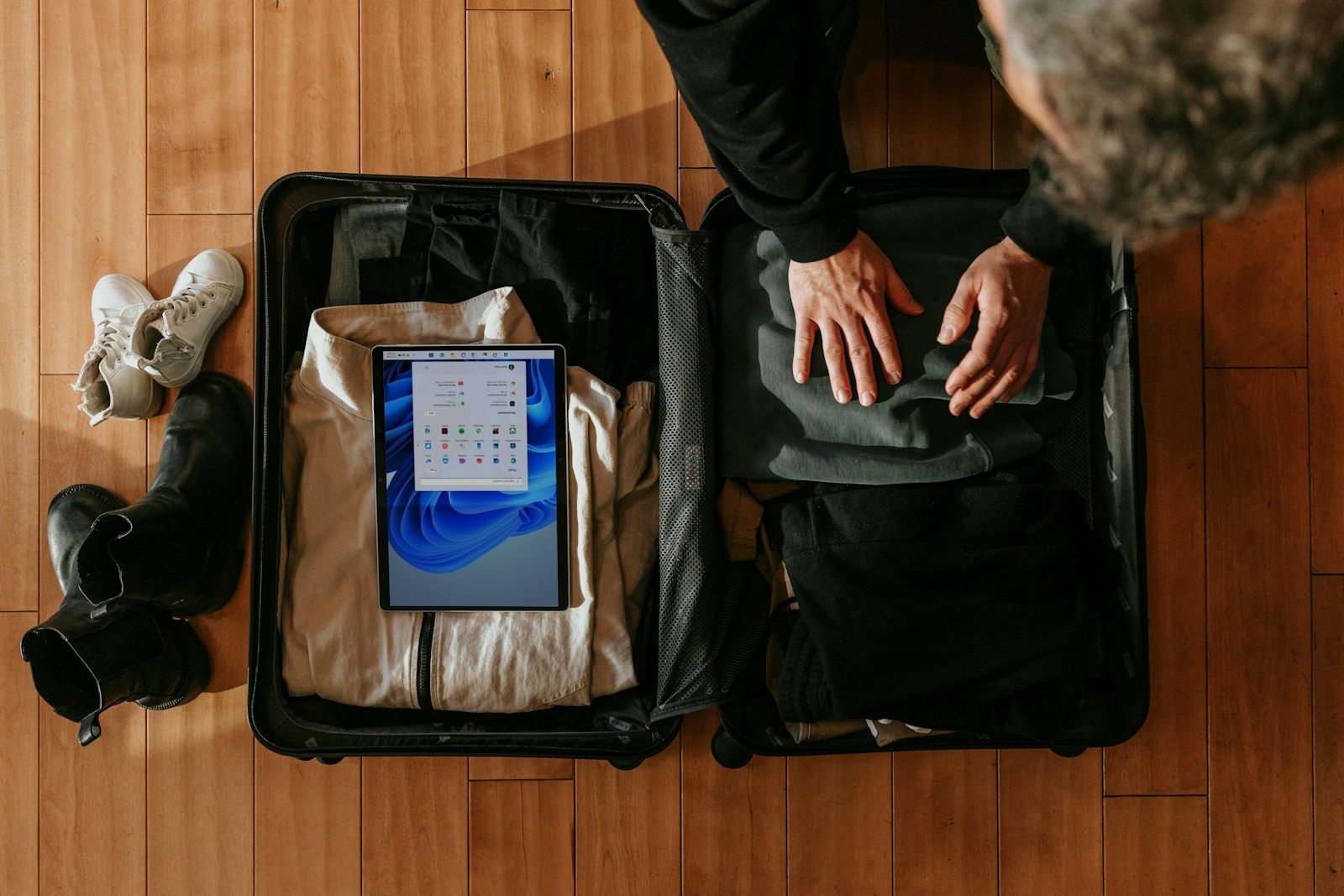
The Quick Travel Packing List (Printable)
Short on time? Here is the essential travel packing list in one place. Tick off each item as you pack, then read the sections below for the details and expert tips.
- Passport or ID
- Visa or travel authorisation
- Flight, hotel and car hire bookings
- Travel insurance details
- Debit and credit cards
- Some local cash
- Phone and charger
- Power bank
- Travel adapter
- Headphones
- Underwear and socks
- Tops and T-shirts
- Trousers, shorts or skirts
- A warm layer
- Light rain jacket
- Sleepwear
- Comfortable walking shoes
- Toothbrush and toothpaste
- Deodorant
- Shampoo and body wash
- Sunscreen
- Prescription medicines
- Basic first aid kit
- Glasses or contact lenses
- Reusable water bottle
- Sunglasses
- Day bag or backpack
- Packing cubes
- Laundry bag
- Pen (for arrival forms)
7 Questions to Ask Before You Pack
The perfect travel packing list is slightly different for every trip. Before you open your suitcase, take five minutes to answer these questions. It will save you from overpacking and from forgetting the things that really matter.
- What will the weather be like? Check the forecast for your destination and the typical temperatures for that month, including at night.
- How long am I going for? For trips longer than a week, you rarely need more clothes, just a way to wash them.
- What will I be doing? Hiking, swimming, business meetings, fancy dinners and religious sites all need different clothes.
- What are my airline's baggage rules? Check the size and weight limits for both carry-on and checked bags. Budget airlines are especially strict.
- Can I do laundry? If your accommodation has a washing machine or there is a laundry service nearby, you can pack half as much.
- What can I buy there? Basic toiletries and snacks are available almost everywhere, so there is no need to pack full-size bottles.
- What are the local customs? Some countries and religious sites expect shoulders and knees to be covered, so pack at least one modest outfit.
Choosing the Right Luggage
The bag you choose shapes your whole travel packing list. A smaller bag forces you to pack smarter, while a huge suitcase almost always ends up overstuffed. Here is how to choose.
Carry-on only or checked bag?
Travelling with only a carry-on saves time at the airport, avoids lost luggage and often saves money on budget airlines. It works well for trips of up to one or two weeks if you can do laundry. A checked bag makes sense for long trips, winter destinations with bulky clothes, or when you need special equipment.
Know the size limits
Carry-on size limits are not the same everywhere. Many airlines allow a cabin bag of around 55 x 40 x 20 cm, while US airlines commonly allow about 22 x 14 x 9 inches. Budget airlines may only include a small under-seat bag in the basic fare. Always check your airline's exact limits before you buy a new bag or start packing.
Suitcase or backpack?
- Hard-shell suitcase: Best for protecting fragile items and for smooth airport floors and city pavements.
- Soft-shell suitcase: Lighter and often has handy outer pockets that can expand.
- Travel backpack: Ideal for backpacking, multi-stop trips, stairs, cobbled streets and places with rough roads.
- Day bag: A small foldable backpack or crossbody bag for daily sightseeing is a must on any travel packing list.
1. Travel Documents and Money
These are the most important items on any travel packing list. You can buy almost anything else at your destination, but losing your passport or bank cards can ruin a trip. Always keep these items in your carry-on bag or on your body, never in checked luggage.
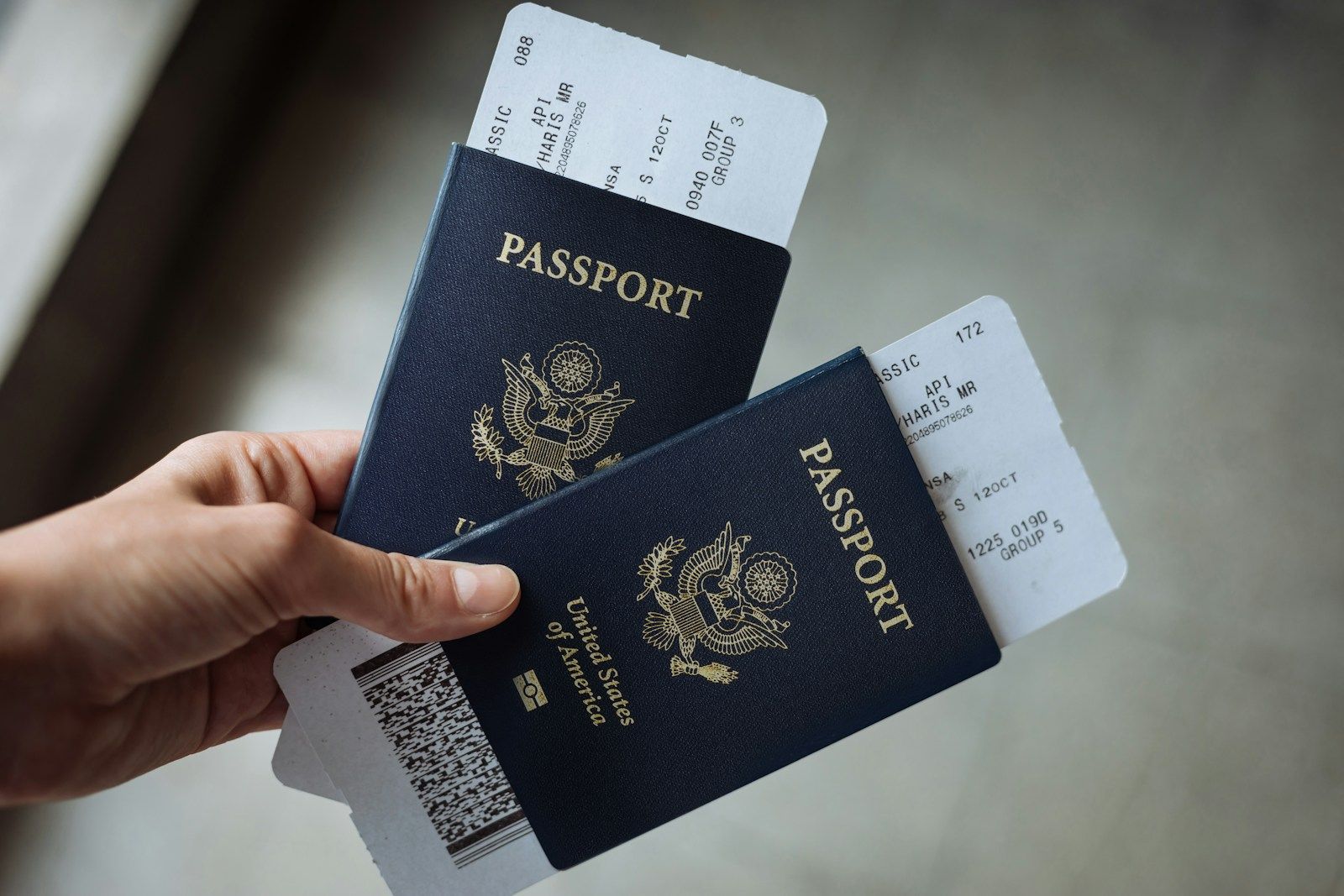
- Passport: Check that it is valid for at least six months after your return date. Many countries require this, and airlines can refuse to board you if it is not.
- Visas and travel authorisations: Many countries now require an online travel authorisation before you fly, even for visa-free visits. Always apply through the official government website.
- Driving licence: Bring it if you plan to hire a car, plus an International Driving Permit if your destination requires one.
- Booking confirmations: Flights, hotels, car hire, tours and train tickets. Save them offline on your phone in case you have no signal.
- Travel insurance: Carry your policy number and the emergency phone number.
- Bank cards: Take at least two cards, ideally from different banks, and keep them in separate places. Cards with no foreign transaction fees can save you a lot of money.
- Cash: A small amount of local currency is useful for taxis, tips and small shops when you arrive.
- Copies: Take photos of your passport, cards and bookings and save them in a secure cloud folder or email them to yourself.
2. Clothing and Shoes
Clothes take up the most space in your luggage, and they are where most people overpack. The secret is to choose versatile pieces in a few colours that all go together, so you can mix and match them into many different outfits.
The 5-4-3-2-1 packing method
For a one-week trip, this simple formula is a great starting point for your travel packing list:
- 5 tops (T-shirts, shirts or blouses)
- 4 bottoms (trousers, jeans, shorts or skirts)
- 3 pairs of shoes (including the ones you wear)
- 2 swimsuits or extra outfits for special occasions
- 1 hat or accessory
Add underwear and socks for each day (or half that if you can do laundry), sleepwear, and one warm layer.
Clothing checklist
- Underwear and socks
- T-shirts and tops
- Trousers, jeans, shorts or skirts
- A smart outfit for dinners or events
- A warm sweater, fleece or cardigan
- A lightweight, packable rain jacket
- Sleepwear
- Swimwear
- Scarf or sarong (great for chilly flights, the beach and covering up at religious sites)
- Belt, hat and sunglasses
Shoes
Shoes are heavy and bulky, so limit yourself to two or three pairs. A comfortable pair of walking shoes or trainers is essential for almost every trip. Add sandals or flip-flops for warm destinations and one pair of smarter shoes if you need them. Always wear your heaviest pair on the plane.
3. Toiletries and the Liquids Rule
Toiletries are one of the easiest areas to save space and weight. Use travel-sized containers, solid products and refillable bottles, and remember that you can buy most basics at your destination.
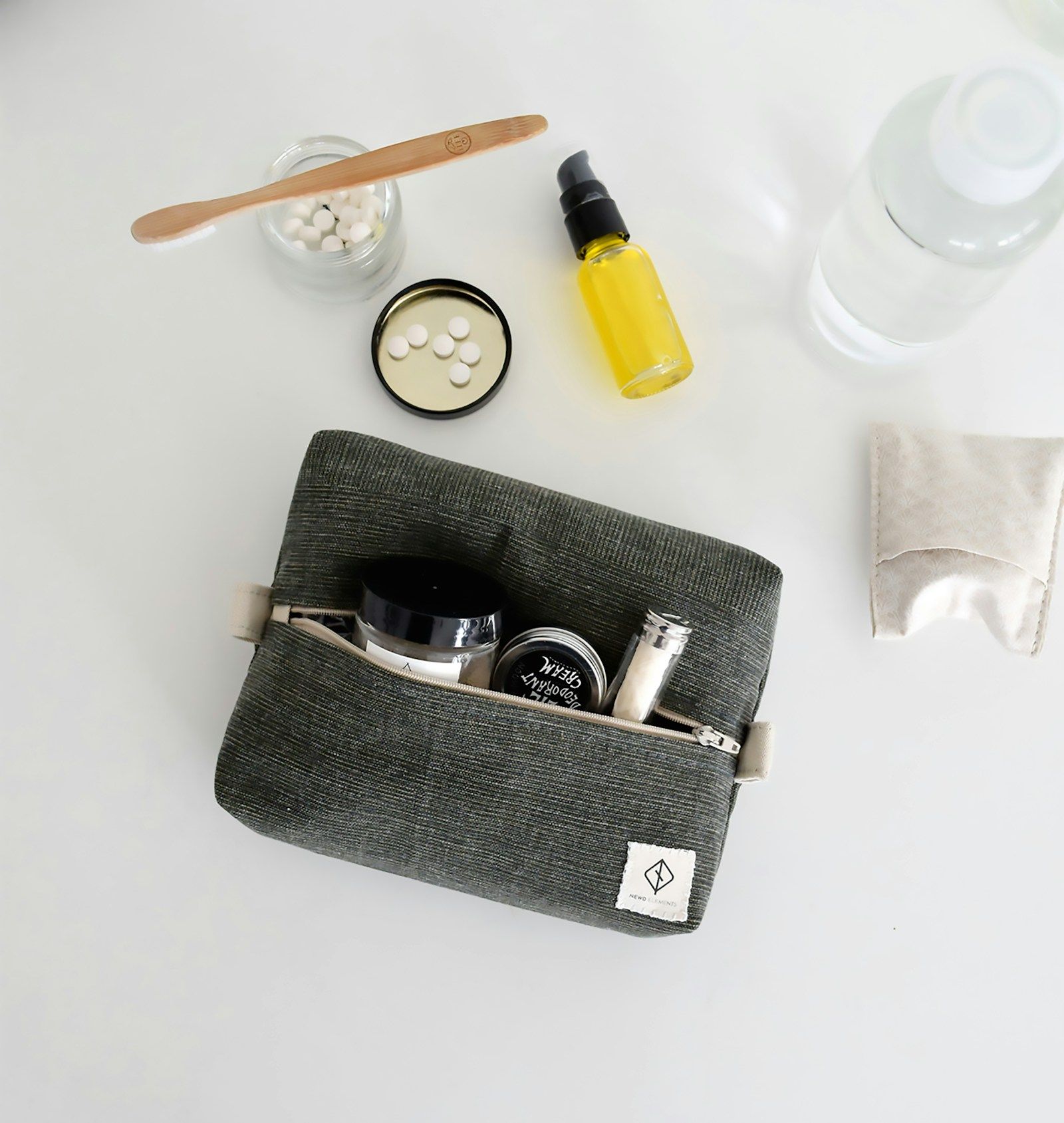
Toiletries checklist
- Toothbrush, toothpaste and dental floss
- Deodorant
- Shampoo, conditioner and body wash (or solid bars)
- Moisturiser and lip balm
- Sunscreen and after-sun lotion
- Razor and shaving cream
- Hairbrush or comb and hair ties
- Make-up and make-up remover
- Contact lenses, solution and a spare pair of glasses
- Feminine hygiene products
- Hand sanitiser and wet wipes
The liquids rule for carry-on bags
If you are only travelling with hand luggage, liquids need special attention. At most airports around the world, liquids, gels, creams and aerosols in your carry-on must be in containers of 100 ml (3.4 oz) or less, all packed together in one small, clear, resealable plastic bag (about one litre or one quart in size). In the United States, this is known as the TSA "3-1-1" rule.
Some airports with the latest scanners have relaxed these limits, but the rules vary between airports and can change at short notice. Unless you are certain, follow the 100 ml rule, especially for the return journey.
4. Health and First Aid Kit
A small first aid kit takes up very little space but can save you a lot of hassle, especially if you are travelling somewhere remote or arriving late at night when pharmacies are closed.
- Prescription medicines: Bring enough for the whole trip plus a few extra days in case of delays. Keep them in their original packaging with a copy of your prescription, and pack them in your carry-on.
- Pain relief and fever reducers
- Plasters (band-aids) and blister pads
- Antiseptic wipes or cream
- Anti-diarrhoea tablets and rehydration sachets
- Antihistamines for allergies and insect bites
- Motion sickness tablets
- Insect repellent
- Sleep aids such as an eye mask and earplugs
5. Electronics and Gadgets
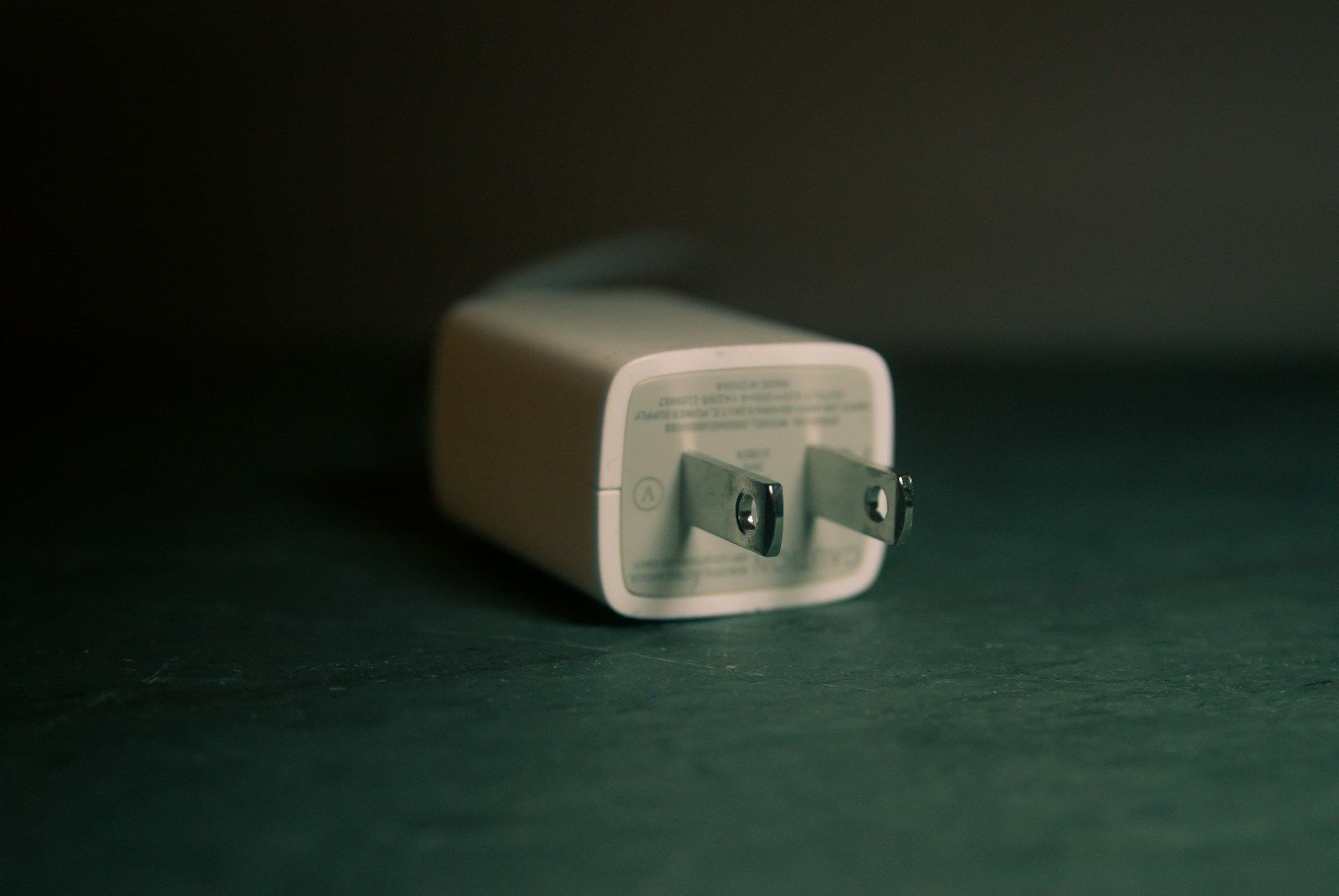
Our phones have replaced maps, guidebooks, cameras and boarding passes, so keeping them charged is one of the most important parts of modern travel. Pack your chargers and cables together in a small pouch so they don't get tangled or left behind.
- Phone and charger
- Universal travel adapter: Different countries use different plug types. A universal adapter with USB ports covers almost everywhere.
- Power bank: Essential for long days of sightseeing and navigation.
- Headphones: Noise-cancelling headphones make long flights and train journeys far more relaxing.
- Laptop or tablet and charger (if needed)
- E-reader with downloaded books
- Camera, memory cards and spare batteries
- Charging cables (a multi-connector cable saves space)
Useful apps to download before you go
- Your airline's app for check-in and boarding passes
- Offline maps of your destination
- A translation app with the local language downloaded for offline use
- A currency converter
- Local ride-hailing and public transport apps
6. Carry-On Essentials for the Flight
Your carry-on bag should contain everything you need for the journey and for the first 24 hours of your trip, in case your checked bag is delayed. Lost luggage is rare, but it does happen, and a well-packed carry-on can turn a disaster into a minor inconvenience.
- Passport, wallet and phone
- Medicines
- Phone charger and power bank
- Headphones
- A change of underwear and a clean T-shirt
- Toothbrush and mini toothpaste
- Empty reusable water bottle (fill it after security)
- Snacks
- Travel pillow, eye mask and earplugs
- A warm layer or scarf (planes are often cold)
- Lip balm and moisturiser (cabin air is very dry)
- Pen for arrival or customs forms
- Valuables such as jewellery, cameras and laptops
7. Packing Lists by Trip Type
Start with the main travel packing list above, then add the extra items for your type of trip.
| Trip type | Add these items |
|---|---|
| Beach holiday | Swimwear, cover-up, flip-flops, reef-safe sunscreen, after-sun, sunhat, beach bag, waterproof phone pouch, snorkel mask |
| City break | Comfortable walking shoes, a smart-casual outfit, crossbody anti-theft bag, compact umbrella, portable charger |
| Winter or cold destination | Thermal base layers, warm waterproof coat, hat, gloves, scarf, warm socks, waterproof boots, lip balm, hand warmers |
| Business trip | Suit or business outfits, smart shoes, laptop and charger, notebook, business cards, travel steamer |
| Backpacking | Quick-dry travel towel, padlock, headlamp, reusable shopping bag, sleeping bag liner, laundry soap, flip-flops for shared showers |
| Hiking or adventure | Hiking boots, moisture-wicking layers, daypack, refillable water bottle, trail snacks, map, blister plasters |
| Travelling with kids | Snacks, tablet with downloaded shows, wipes, spare clothes in the carry-on, favourite toy, kids' medicine, stroller or carrier |
8. Packing Techniques That Save Space
Once you have your travel packing list, how you pack matters just as much as what you pack. These techniques are used by flight attendants, frequent flyers and professional travel writers.
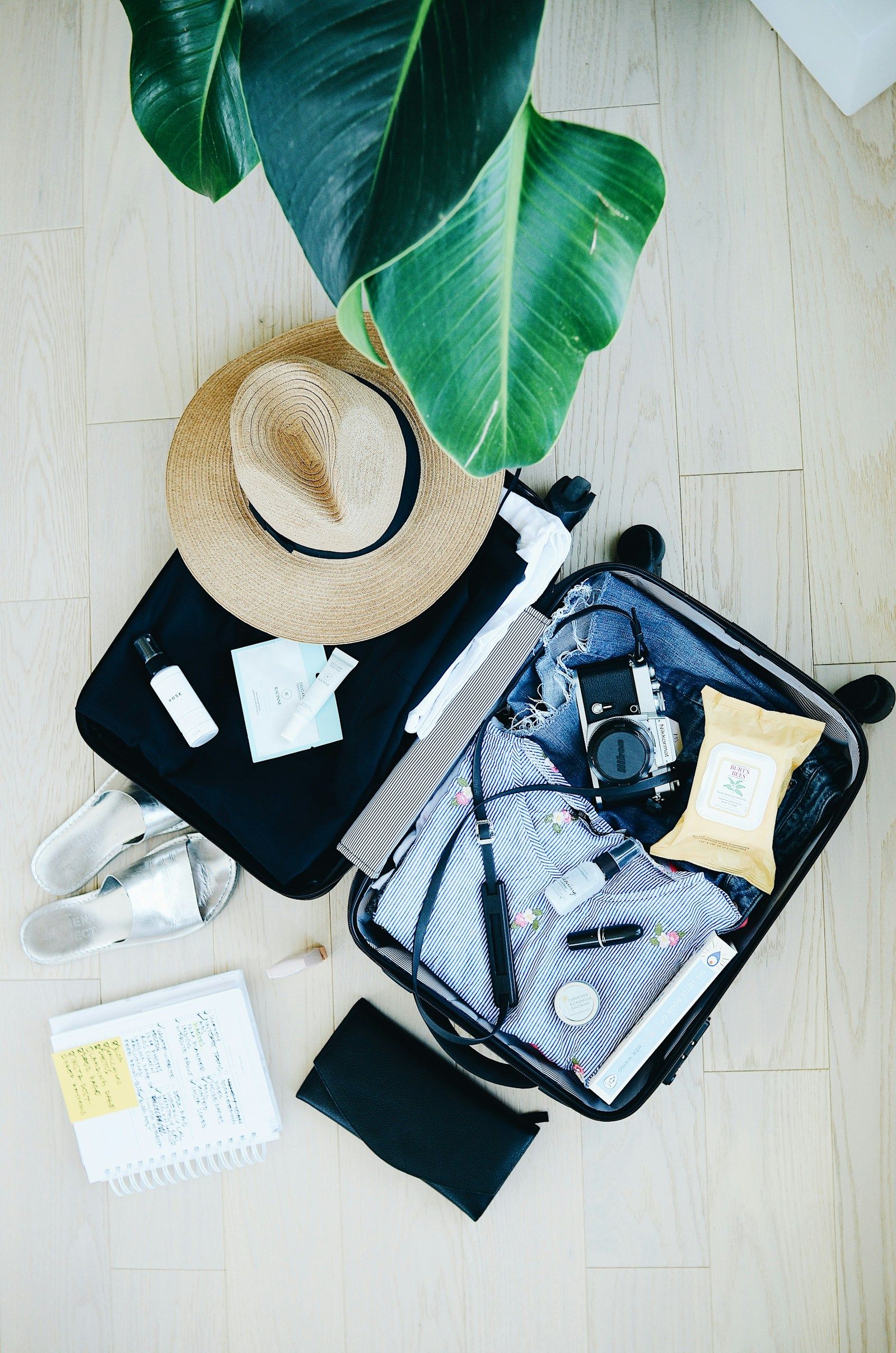
Lay everything out first
Before anything goes into your suitcase, lay out everything you plan to bring on your bed. Then remove a third of it. Most travellers wear only around half of the clothes they pack.
Roll, don't fold
Rolling T-shirts, jeans, casual trousers and sleepwear saves space and reduces creases. Fold structured items, such as blazers and shirts, and place them on top.
Use packing cubes
Packing cubes are zip-up fabric bags that keep your suitcase organised. Use one for tops, one for bottoms and one for underwear and socks. Compression cubes squeeze out extra air, and they make it easy to live out of your suitcase without everything becoming a mess.
Pack heavy items at the bottom
In a wheeled suitcase, put shoes and heavier items near the wheels so the bag stays balanced and does not tip over.
Fill every empty space
Stuff socks and small items inside your shoes. Put shoes in a shoe bag or shower cap to keep your clothes clean.
Wear your bulkiest items
Wear your heaviest shoes, jacket and jumper on the plane. It frees up a surprising amount of space and weight in your bag.
Leave room for souvenirs
Leave about 10 to 20 percent of your suitcase empty for things you buy on your trip, or pack a lightweight foldable bag for the return journey.
Packing Tips That Save You Money
A smart travel packing list does not just make your trip easier. It can also save you real money.
- Weigh your bag at home: A cheap digital luggage scale can save you from expensive excess baggage fees at the check-in desk.
- Bring a reusable water bottle: Fill it up after security and at your hotel instead of buying bottled water every day (in places where tap water is safe, or use a filter bottle).
- Pack snacks: Airport and train station food is expensive. A few snack bars in your carry-on can save you a surprising amount.
- Avoid airport purchases: Chargers, adapters, neck pillows and sunscreen cost far more at the airport, so pack them from home.
- Use the right bank card: A card with no foreign transaction fees avoids extra charges every time you pay abroad.
- Download entertainment in advance: Download films, music, podcasts and maps on home Wi-Fi to avoid paying for roaming data or in-flight Wi-Fi.
Keep a copy of this travel packing list with your luggage, and add the money-saving items so you never have to buy them in a hurry again.
What Not to Pack
Knowing what to leave at home is just as important as knowing what to bring. Leave these items off your travel packing list:
- Full-size toiletries: They are heavy and take up space. Use travel sizes or buy them at your destination.
- "Just in case" outfits: If you can't name the exact day you will wear it, leave it at home.
- Expensive jewellery and valuables: They make you a target for thieves and are stressful to keep track of.
- Too many shoes: Two or three pairs is enough for almost any trip.
- Hair dryers: Most hotels provide one.
- Prohibited items: Sharp objects, large liquids, lighters and certain tools are not allowed in hand luggage. Check your airline and airport rules if you are unsure.
- Food and plants: Many countries have strict rules on bringing in fresh food, meat, dairy, plants and seeds, and you can be fined for not declaring them.
Final Checklist Before You Leave Home
The last few hours before a trip are always busy. Run through this quick checklist before you lock the door.
- Check in online and download your boarding passes
- Double-check your passport, tickets and travel documents
- Weigh your bags against the airline's limits
- Charge your phone, power bank and devices
- Check whether your bank needs to know about your travel plans
- Set up an international roaming plan or buy an eSIM
- Empty the fridge and take out the rubbish
- Unplug appliances and turn down the heating
- Lock all windows and doors
- Leave a copy of your itinerary with a friend or family member
Now that you know how to pack, it is time to choose where to go. Find inspiration in our guide to the 10 best countries to travel, plan a tropical escape with our two-week Sri Lanka itinerary, or wrap up warm for a winter trip to the best Christmas markets in Europe.
Frequently Asked Questions
What should be on a basic travel packing list?
A basic travel packing list should include your passport or ID, bank cards and some cash, your phone and charger, a travel adapter, enough underwear and socks, a few versatile outfits, comfortable shoes, a warm layer, a rain jacket, toiletries, any medicines you need and a small first aid kit.
How many outfits should I pack for a week?
For a one-week trip, around five tops, four bottoms and two or three pairs of shoes is usually enough, especially if the pieces can be mixed and matched. If you can do laundry, you can pack even less.
Is it better to roll or fold clothes when packing?
Rolling is best for casual clothes such as T-shirts, jeans and sleepwear because it saves space and reduces creases. Folding works better for structured items such as shirts and blazers.
Can I take liquids in my carry-on?
Yes, but at most airports each container must be 100 ml (3.4 oz) or less, and all containers must fit in one small, clear, resealable bag. Some airports have relaxed these rules thanks to new scanners, but rules vary, so check before you fly.
Can I pack a power bank in my checked luggage?
No. Power banks and spare lithium batteries must be carried in your hand luggage because of the fire risk. Many airlines also limit using them during the flight.
How can I avoid forgetting things when I pack?
Use a written travel packing list like the one in this guide, start packing a few days before you leave, and keep a permanent toiletry bag and charger pouch ready for travel so you never have to pack them from scratch.
How do I pack for a two-week trip with only a carry-on?
Plan to do laundry once, halfway through your trip. Pack enough clothes for about seven days, choose mix-and-match pieces in a few colours, wear your bulkiest items on the plane, use packing cubes and travel-sized toiletries, and follow the carry-on section of this travel packing list for everything you need on the journey.
Are packing cubes worth it?
Yes, for most travellers. Packing cubes keep clothes organised, make it easy to find things without unpacking your whole bag, and compression cubes can save a lot of space. They are especially useful on trips where you move between several hotels.
Final Thoughts
Packing does not have to be stressful. With a good travel packing list, a few smart techniques and the discipline to leave "just in case" items at home, you can travel lighter, move more freely and spend less time worrying about your luggage. Use the quick checklist at the top of this guide for every trip, adapt it for your destination, and you will never forget your charger again. Over time, you will learn which items you always use and which ones you can leave behind, and your own personal travel packing list will get shorter, lighter and better with every journey.
What is the one item you never travel without? Share it in the comments below, and explore more travel guides on Daily Leaflet.
Image credits
- Packing a suitcase: Photo by Surface on Unsplash
- Passports and boarding passes: Photo by Global Residence Index on Unsplash
- Toiletry bag: Photo by Rachel Beck on Unsplash
- Travel adapter: Photo by Steve A Johnson on Unsplash
- Suitcase with travel essentials: Photo by Marissa Grootes on Unsplash