How to Travel on a Budget: 25 Money-Saving Tips That Actually Work
Daily Leaflet
18 minutes readTravel does not have to be expensive. Some of the most unforgettable trips are not the ones with five-star hotels and business-class seats, but the ones where you ate where the locals eat, rode the night train, stayed in a family-run guesthouse and still came home with money in the bank. If you have ever wondered how to travel on a budget without missing out on the experiences that make travel special, this guide is for you.
Below are 25 practical, tried-and-tested tips that show you how to travel on a budget at every stage of a trip: planning, flights, accommodation, getting around, food, sightseeing and money. None of them require you to sleep on a park bench or survive on instant noodles. They simply help you spend less on the things that don't matter, so you can spend more on the things that do.
- Be flexible with your travel dates
- Travel in the shoulder season
- Choose destinations where your money goes further
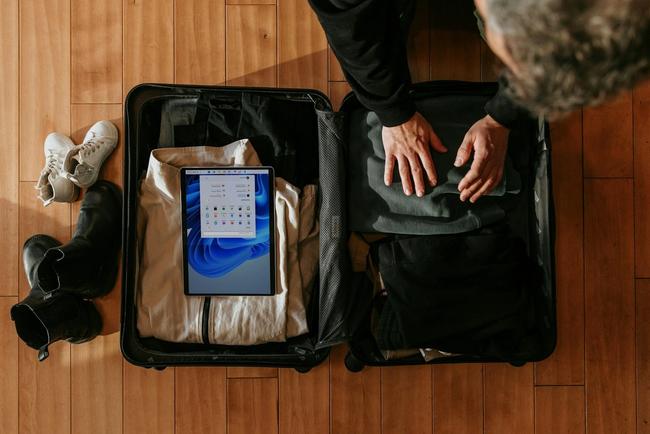
- Travel with carry-on luggage only
- Compare flights across nearby airports
- Stay in guesthouses, hostels or apartments
- Use public transport and walk
- Eat where the locals eat
- Look for free attractions and free museum days
- Always pay in the local currency
The Budget Travel Mindset
Before we get into the tips, it helps to understand the one idea behind every successful cheap trip: spend on what you value, save on everything else. If great food is the highlight of travel for you, you might stay in a simple room and spend more on meals. If you love views and comfort, you might take buses instead of taxis so you can afford a hotel with a balcony. Learning how to travel on a budget is not about being cheap. It is about being intentional.
The second idea is that small savings add up. Saving a little on breakfast, transport and water every day might not feel like much, but over a two-week trip it can easily pay for an extra night, a special tour or a memorable dinner.
Planning and Timing
1. Be flexible with your dates
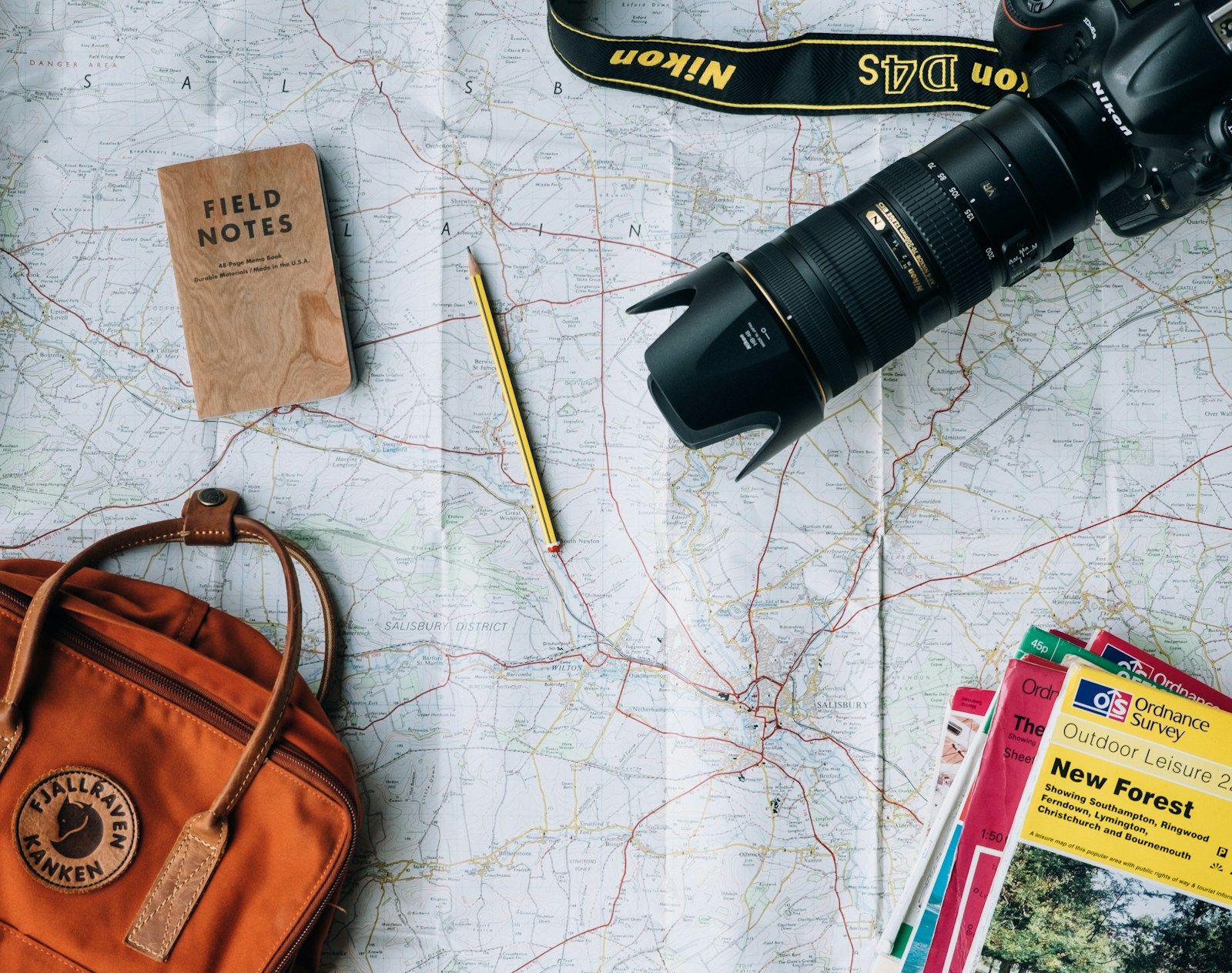
Flexibility is the single most powerful tool for anyone learning how to travel on a budget. Flight and hotel prices can change dramatically depending on the day of the week and the time of year. Use the flexible date or "whole month" view on flight search websites to see which days are cheapest. Mid-week departures are often cheaper than Friday and Sunday flights, and avoiding school holidays and public holidays can make a huge difference.
2. Travel in the shoulder season
The shoulder season is the period just before or after the peak season, such as spring and autumn in Europe. You still get good weather, but prices for flights and hotels are lower and attractions are less crowded. Low season can be even cheaper, but check that the weather will not ruin your plans, for example during monsoon or hurricane season. Shoulder season travel is one of the easiest ways to learn how to travel on a budget without giving up great experiences.
3. Choose destinations where your money goes further
Where you go has a bigger impact on your budget than almost anything else. A week in Southeast Asia, Central America, Eastern Europe or South Asia can cost a fraction of a week in Switzerland, Iceland or Norway. Look for destinations with good value accommodation, cheap and delicious local food and affordable public transport. We share some ideas in the "Where your money goes further" section below.
4. Set a daily budget and track your spending
Decide how much you can spend per day before you go, and track your spending as you travel using a simple notes app or a travel budget app. Checking in on your spending every evening stops small expenses from quietly adding up, and helps you adjust before it is too late.
5. Set price alerts and book at the right time
Set up price alerts on flight and hotel booking websites so you are notified when prices drop. For most international trips, booking flights two to three months ahead is a good rule of thumb, although deals can appear at any time. For hotels in popular destinations and peak periods, booking early with free cancellation lets you lock in a good price while keeping your options open.
Cheap Flights
6. Compare nearby airports
Flights are often the biggest single cost, so they are the best place to start if you want to learn how to travel on a budget. Many big cities are served by more than one airport, and smaller secondary airports often have cheaper flights. Search using the city or region instead of a single airport, and compare the total cost, including the price of getting to and from each airport.
7. Travel with carry-on luggage only
Checked bag fees can add a significant amount to the cost of a flight, especially on budget airlines. Learning to pack light is one of the most useful skills for anyone who wants to know how to travel on a budget. Our ultimate travel packing list shows you exactly what to bring so everything fits in one small bag.
8. Read the small print on budget airlines
Budget airlines can be amazing value, but their low fares often exclude seat selection, larger cabin bags, airport check-in and even printed boarding passes. Add up the full cost before booking, and follow their rules carefully to avoid expensive fees at the airport.
9. Consider layovers and alternative routes
Direct flights are convenient, but flights with a stopover are often cheaper. Some airlines even allow a free stopover of a few days in their hub city, giving you two destinations for the price of one. Just leave plenty of time between connections, especially if you book separate tickets.
10. Use travel rewards wisely
Join the free frequent flyer programme of the airlines you use most, and the loyalty programmes of hotel chains you stay with. Even occasional travellers can collect enough points over time for a free flight or hotel night. If you use rewards credit cards, only do so if you pay off the balance in full every month, otherwise interest charges will cancel out any savings.
Accommodation
11. Look beyond hotels
Accommodation is the second biggest expense on most trips, and a key part of knowing how to travel on a budget. Guesthouses, family-run B&Bs, hostels and holiday apartments are often much cheaper than hotels, and they can offer a more authentic experience. Modern hostels are not just for young backpackers. Many have private rooms with their own bathrooms, which can be a great budget option for couples and families.
12. Choose an apartment with a kitchen
For longer stays or family trips, an apartment with a kitchen can save a lot of money. Even cooking a simple breakfast and a few dinners can cut your food costs significantly, especially in expensive cities.
13. Ask for long-stay discounts
Many hotels, guesthouses and rental apartments offer lower nightly prices if you stay for a week or longer. Staying in fewer places also saves money on transport and reduces the time you spend packing and moving.
14. Balance price and location
The cheapest room is not always the best value. A slightly more expensive room in a central location can save you money on taxis and public transport, as well as precious time. On the other hand, staying one or two metro stops away from the main tourist area can be much cheaper and gives you a taste of local life.
Getting Around
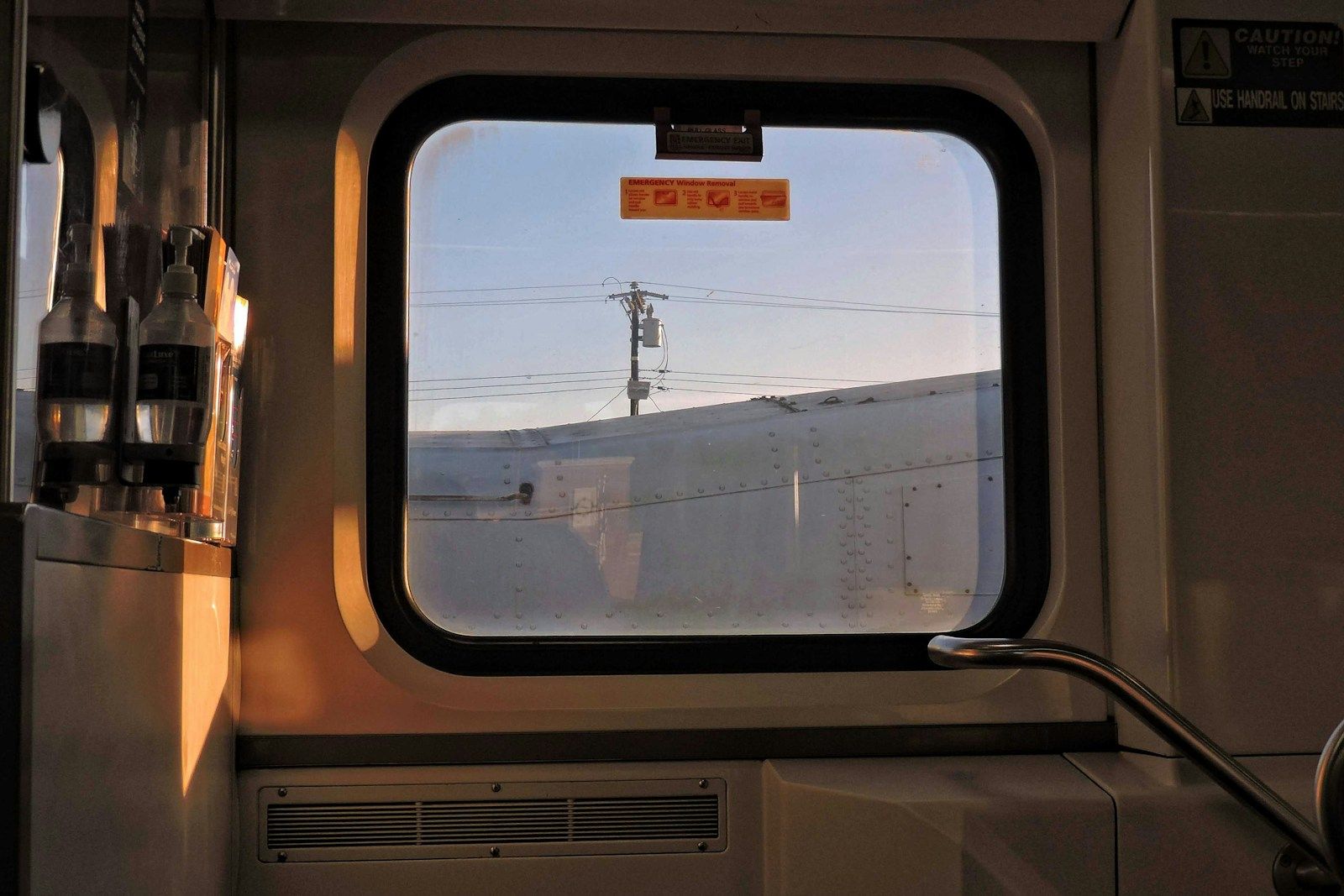
15. Use public transport
Getting around like a local is an essential part of how to travel on a budget. Buses, trams, metros and trains are almost always much cheaper than taxis. Many cities offer day passes or multi-day travel cards that make public transport even better value. Ask at your accommodation or check the local transport website when you arrive.
16. Walk or cycle
Walking is free, healthy and one of the best ways to discover a new place. Many cities also have affordable bike-sharing schemes. You will stumble across hidden streets, local cafés and viewpoints that you would miss from the back of a taxi.
17. Take overnight trains and buses
For longer distances, an overnight train or bus can save you the cost of a night's accommodation and a day of travel. Sleeper trains in particular can be a memorable experience in their own right.
Food and Drink
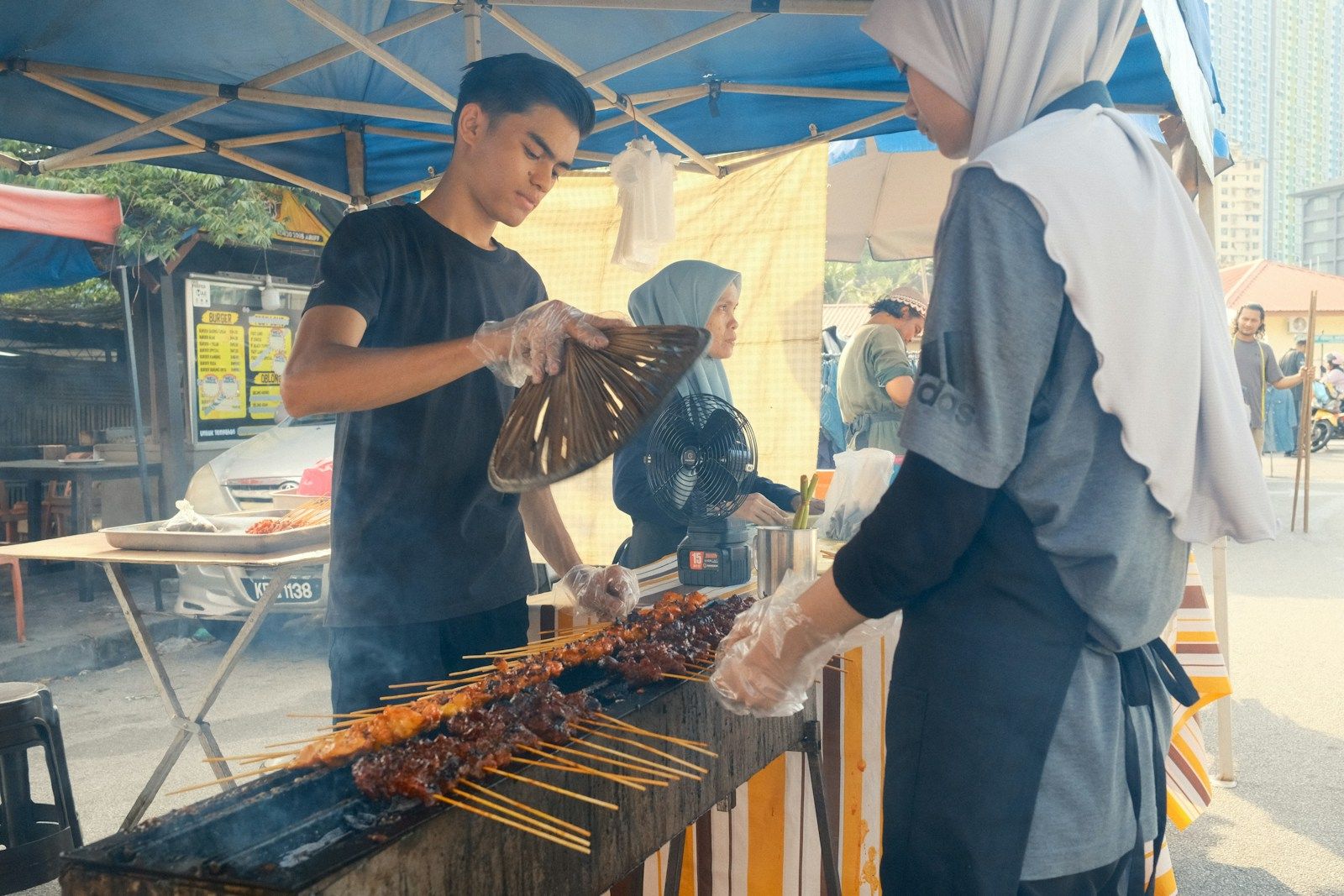
18. Eat where the locals eat
Restaurants on main squares and next to famous attractions are usually the most expensive and not always the best. Walk a few streets away, look for places full of locals, and try street food stalls, markets and small family-run cafés. In many countries, the best meal of your trip will also be one of the cheapest. It is the tastiest lesson in how to travel on a budget.
19. Make lunch your main meal
Many restaurants, especially in Europe and Latin America, offer set lunch menus that are much cheaper than ordering from the dinner menu. Enjoy a big lunch, then have a lighter, cheaper dinner from a bakery, supermarket or street food stall.
20. Shop at supermarkets and markets
Buy snacks, fruit, water and picnic supplies from supermarkets and local markets instead of convenience stores and tourist shops. A picnic in a park with local bread, cheese and fruit can be one of the highlights of a trip. Carry a reusable water bottle and refill it wherever the tap water is safe to drink, or use a filter bottle.
Sightseeing and Activities
21. Seek out free attractions
Some of the best travel experiences cost nothing at all: hiking to a viewpoint, swimming at a public beach, exploring a historic old town, visiting a local market or watching the sunset. Many cities also offer free walking tours run by local guides, who work for tips. They are a great way to get your bearings and learn the history of a place on your first day. Remember to tip your guide what you think the tour was worth. Free experiences like these are the secret weapon of anyone who knows how to travel on a budget.
22. Use free museum days and city passes wisely
Many museums and galleries offer free entry on certain days or evenings, and some are free all the time. Check their websites before you go. City passes, which include entry to multiple attractions and sometimes public transport, can be great value, but only if you will actually visit enough of the included sights. Add up the individual prices before you buy one.
Money, Cards and Phones
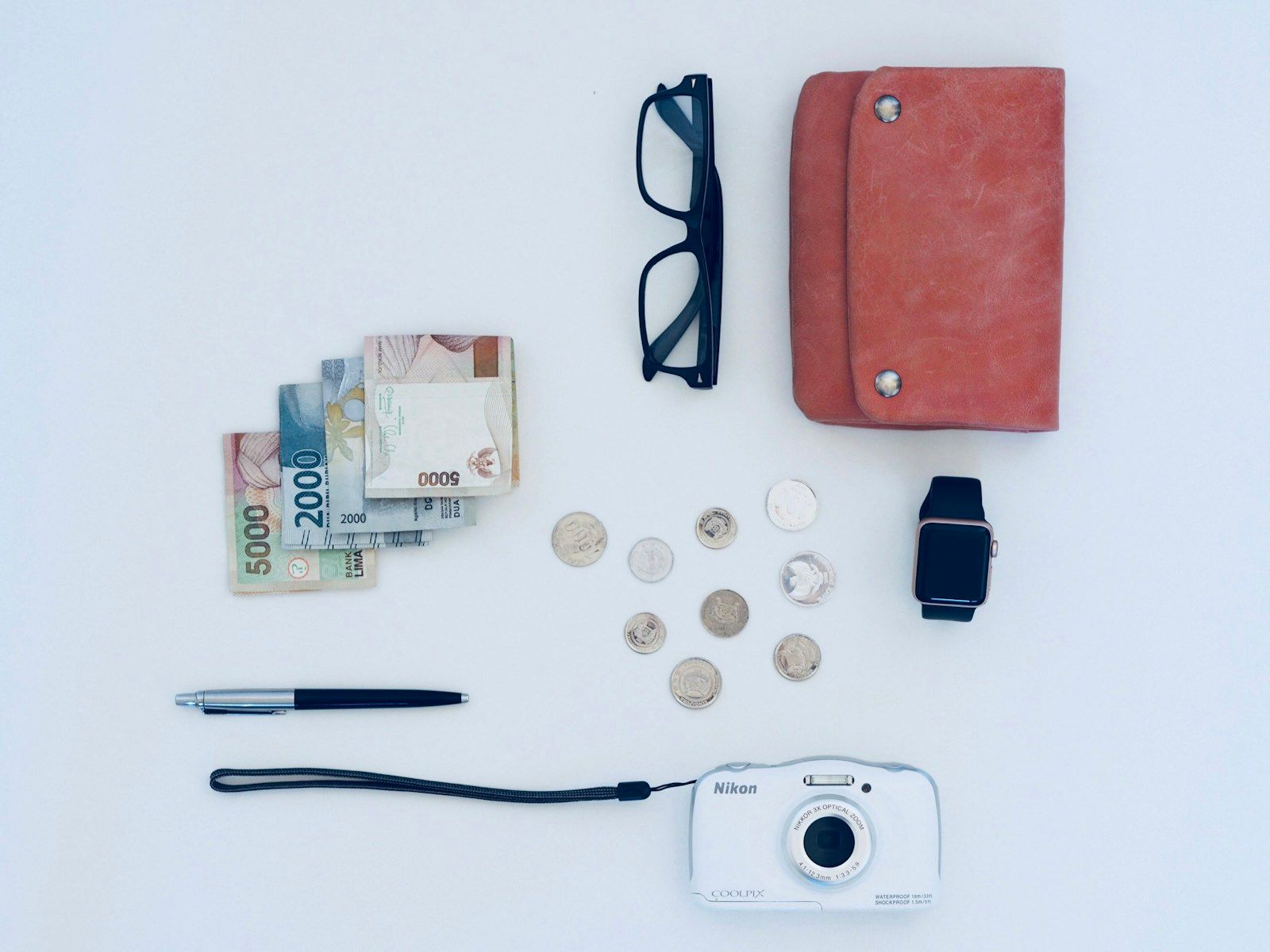
23. Use a card with no foreign transaction fees
Bank fees are one of the most overlooked parts of how to travel on a budget. Many bank cards charge a fee every time you pay or withdraw cash abroad. Over a long trip, these fees can add up to a surprising amount. Check your bank's charges before you travel, and consider a travel-friendly card or account with no foreign transaction fees. Take a backup card too, and keep it separate from your main wallet.
24. Always pay in the local currency
When you pay by card or use an ATM abroad, you may be asked whether you want to pay in your home currency or the local currency. Always choose the local currency. Paying in your home currency, known as dynamic currency conversion, usually comes with a poor exchange rate and hidden fees. Avoid exchanging money at airport currency booths too, as their rates are often among the worst.
25. Avoid expensive roaming charges
Mobile roaming charges can be very expensive in some countries. Before you go, check your phone plan's international options, or buy a local SIM card or a travel eSIM for your destination. Download offline maps, translation languages and entertainment on Wi-Fi before you leave home so you use less data on the road.
How to Plan Your Travel Budget
A simple budget plan is the foundation of knowing how to travel on a budget. Start with the big fixed costs, then estimate your daily spending.
- Fixed costs: Flights, travel insurance, visas and any pre-booked tours or transport passes.
- Accommodation: Multiply your expected nightly rate by the number of nights.
- Daily spending: Food, local transport, entrance fees and small extras.
- Buffer: Add 10 to 15 percent for unexpected costs, such as a missed bus or a pharmacy visit.
As a rough guide, here is how a typical budget trip might be split. Every trip is different, but this gives you a useful starting point.
| Category | Typical share of a budget trip | Easiest ways to save |
|---|---|---|
| Flights and long-distance transport | 25–35% | Flexible dates, nearby airports, carry-on only |
| Accommodation | 25–35% | Guesthouses, private hostel rooms, long-stay discounts |
| Food and drink | 15–25% | Local restaurants, lunch menus, markets |
| Activities and entrance fees | 10–15% | Free attractions, free museum days |
| Local transport | 5–10% | Public transport passes, walking |
| Buffer and extras | 10–15% | Plan for it so it doesn't surprise you |
Where Your Money Goes Further
If you want to know how to travel on a budget, choosing the right destination makes everything easier. Here is a general guide to how far your money tends to go in different parts of the world.
| Budget level | Example destinations |
|---|---|
| Very affordable | Sri Lanka, Vietnam, Thailand, Indonesia, India, Nepal, Morocco, Bolivia, Peru, Guatemala |
| Affordable | Portugal, Greece, Mexico, Colombia, Turkey, Poland, Hungary, Croatia, Malaysia |
| Moderate | Spain, Italy, Japan, South Africa, Czech Republic, Argentina |
| Expensive | Switzerland, Iceland, Norway, Denmark, Singapore, Australia, New Zealand |
Costs change with exchange rates and seasons, so always check current prices before you book. For inspiration, see our guide to the 10 best countries to travel, many of which offer excellent value, or plan an affordable adventure with our two-week Sri Lanka itinerary.
Budget Travel Tips for Families, Couples and Solo Travellers
The basics of how to travel on a budget are the same for everyone, but a few extra tricks can help depending on who you are travelling with.
Families
- Book family rooms or apartments: One apartment with a kitchen is usually cheaper than two hotel rooms, and cooking a few meals saves a lot with children.
- Look for kids-go-free deals: Many museums, attractions, trains and even some hotels offer free or discounted entry for children.
- Pack snacks: Hungry children and expensive airport or theme park food are a costly combination.
- Choose free fun: Beaches, parks, playgrounds, lakes and nature trails are free and often the highlight of the trip for kids.
Couples
- Share costs: Private hostel rooms, car hire and taxis are much better value when split between two.
- Save the splurges: Pick one or two special experiences, such as a romantic dinner or a sunset cruise, and keep the rest of the trip simple.
Solo travellers
- Stay in social hostels: You will save money and meet other travellers to share tours, taxis and meals with.
- Join group activities: Free walking tours and group day trips are cheaper than private tours and a great way to make friends.
Useful Tools for Travelling on a Budget
A few free tools make it much easier to put these tips into practice. You don't need dozens of apps to learn how to travel on a budget, just a handful of reliable ones:
- Flight search engines with flexible date and "anywhere" search to find the cheapest days and destinations.
- Accommodation booking apps with free cancellation filters and recent guest reviews.
- Offline maps so you can navigate without using mobile data.
- Public transport apps for the city you are visiting, which often sell cheaper digital tickets.
- A budget tracker or simple spreadsheet to record what you spend each day.
- A currency converter so you always know what you are really paying.
Common Budget Travel Mistakes
Knowing how to travel on a budget also means knowing what to avoid. These are the mistakes that most often blow travel budgets:
- Skipping travel insurance: A single medical emergency or cancelled trip can cost far more than years of insurance premiums.
- Trying to see too much: Moving every day or two means spending more on transport and less time enjoying each place. Slow travel is cheaper and more relaxing.
- Ignoring hidden fees: Baggage fees, resort fees, city taxes and card charges can add up quickly. Read the small print.
- Exchanging money at the airport: Airport exchange counters usually offer poor rates. Use an ATM in the arrivals hall or in town instead.
- Not booking ahead for popular attractions: Some famous sights sell out, leaving only expensive tour packages. Book directly with official websites where possible.
- Eating every meal at tourist restaurants: A few streets away, you will often find better food at half the price.
- Buying things you forgot to pack: Chargers, adapters, sunscreen and medicines are often much more expensive at airports and tourist shops.
Frequently Asked Questions
How can I travel on a budget for the first time?
Start with an affordable destination, be flexible with your dates, travel with carry-on luggage only, stay in guesthouses or hostels, use public transport and eat where the locals eat. Set a daily budget before you leave and track your spending as you go.
What is the cheapest way to travel?
The cheapest way to travel is usually overland by bus or train, staying in hostels or guesthouses and eating local food. If you need to fly, booking flexible dates and travelling with hand luggage only on budget airlines will keep costs down.
How much money do I need to travel?
It depends heavily on the destination, travel style and length of your trip. In very affordable countries, budget travellers can get by on a small daily budget, while expensive countries can cost several times more. Research typical accommodation, food and transport prices for your destination and add a 10 to 15 percent buffer.
Is it cheaper to book flights at the last minute?
Usually not. For most international trips, booking a few months in advance tends to be cheaper than booking at the last minute, especially in peak season. Last-minute deals do exist, but they are unpredictable, so they work best if you are very flexible about where you go.
Should I pay in local currency or my home currency abroad?
Always choose to pay in the local currency. Paying in your home currency, known as dynamic currency conversion, usually means a worse exchange rate and extra fees.
Is travel insurance worth it on a budget trip?
Yes. Travel insurance protects you against medical bills, cancellations, lost luggage and theft. Even on a tight budget, it is one of the most important things to buy, because a single emergency abroad can cost far more than the policy.
What is the best way to learn how to travel on a budget?
Start small. Take a short trip to an affordable destination, set a daily budget, and try a few of the tips in this guide, such as travelling with carry-on luggage only, using public transport and eating at local restaurants. Each trip will teach you more about where you can save and what is worth spending on.
Final Thoughts
Learning how to travel on a budget opens up the world. With flexible dates, smart destination choices, light luggage, local food and a few simple money habits, you can travel further, for longer and more often, without feeling like you are missing out. The best part is that budget travel often leads to richer experiences: more conversations with locals, more time in markets and neighbourhoods, and more stories to bring home.
Pick three or four tips from this guide to try on your next trip, and you will be amazed at how much you can save. Which budget travel tip has saved you the most money? Share it in the comments below, and explore more travel guides on Daily Leaflet.
Image credits
- Backpacker by a lake: Photo by Hem Poudyal on Unsplash
- Travel planning flat lay: Photo by Annie Spratt on Unsplash
- Train window view: Photo by Sebastian Enrique on Unsplash
- Street food satay stall: Photo by Kelvin Zyteng on Unsplash
- Coins and banknotes: Photo by Jess Bailey on Unsplash